
Prominent Black barrister 'taken aback' after being told court car park 'not for defendants'
Stephen Akinsanya says he was told he could not park his car at a London court car park by a security guard who assumed he was a defendant.
Prominent Black barrister ‘taken aback’ after being told court car park ‘not for defendants’
Stephen says that assumptions about Black people aren’t only restricted to law.
STORY BY MELISSA SIGODO
AUGUST 12, 2026
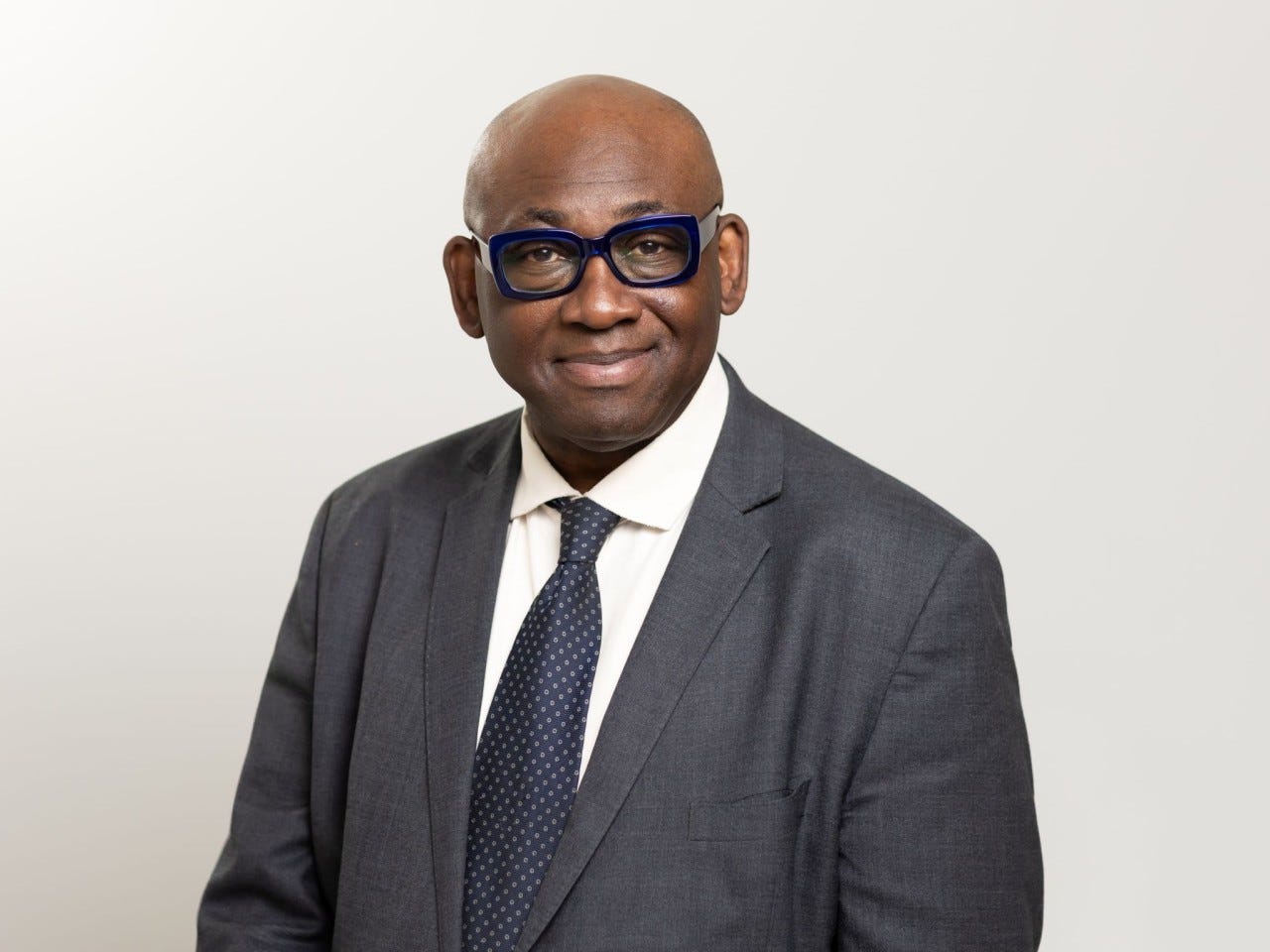
A prominent Black barrister says he was assumed to be a defendant and told he could not park at a London court car park.
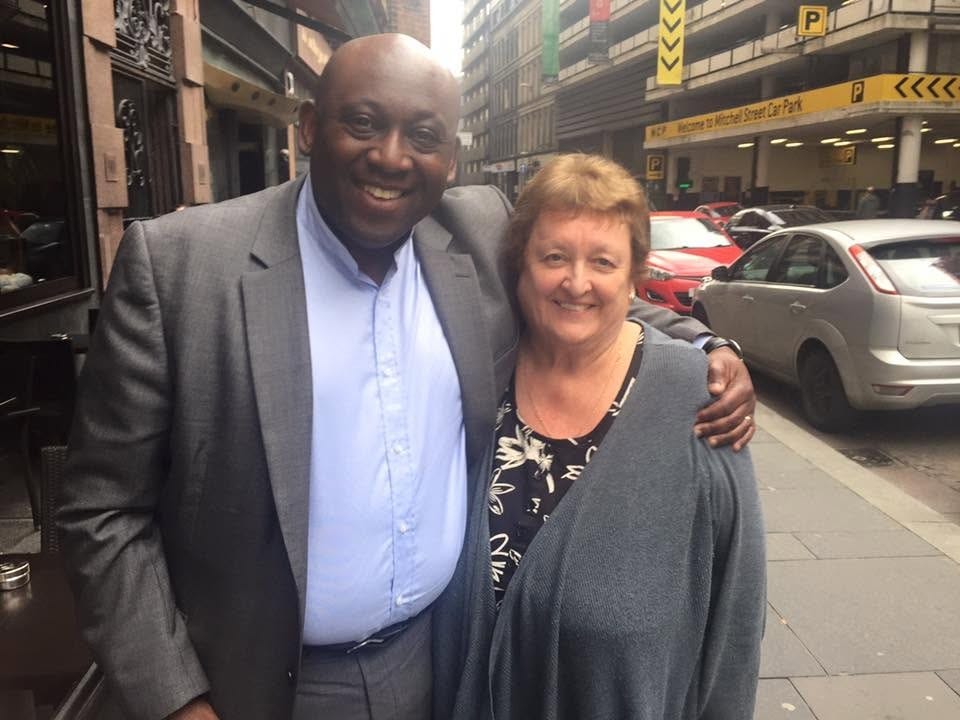
Stephen Akinsanya, a top criminal barrister for 34 years who was awarded an OBE for his services to the prevention of knife crime and youth violence says he was told that he could not drive into a court car park because “it was not for defendants.”
The incident which occurred last month at a court he had been visiting for 30 years, left the youth mentor feeling “perplexed” and reminded of his days as a junior barrister when he was made to question if he ‘belonged.’
Now, decades since completing his lengthy studies to become qualified, Stephen says he feels “frustrated” by the assumptions made after all these years which continue despite the vast contribution by Black people to the UK.
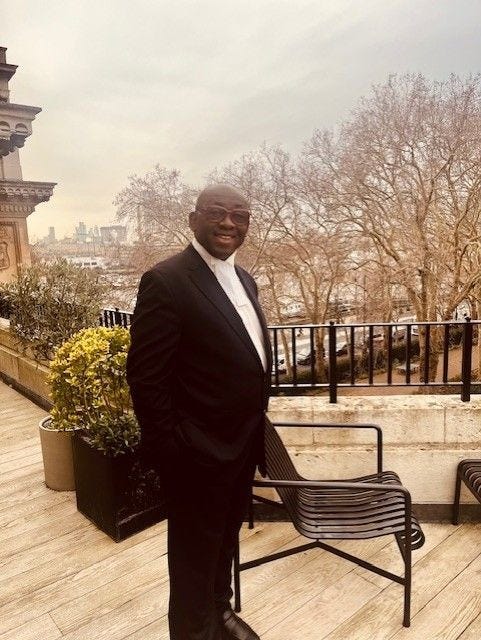
Speaking to the Community Reporter, Stephen recalled how he felt ‘taken aback’ by the security guard whom he believes was of Asian heritage.
He said: “I’ve been going to [this court] for over 30 years, but I decided to drive to that day and usually the security guard will ask, ‘Are you counsel?’, and then you’ll usually respond by saying, ‘Yep, I’m counsel appearing in Court Five.’
“They’ll take your vehicle registration number and get you to sign their little sheet that they’ve got. Then they raise the barrier and let you in.”
But on this occasion, Stephen says he was not asked if he was counsel and that he was simply told he could not park.
“The young man said, ‘You can’t park here’, Stephen said.
“So I asked, ‘Well, why not?’, and he said, ‘Well, defendants can’t use the car park.”
Confused by the assumption, the barrister says he began to question the guard on how he had arrived at the conclusion that he was a defendant.
Stephen said: “I asked him, ‘Well, why do you think I’m a defendant? Why do you assume I’m a defendant? ‘I’m counsel.’
“Then I proceeded to give him a little lesson saying, ‘Look, I’ve been coming to this court before you were born.’
“I said, ‘You really shouldn’t assume who people are without making a proper enquiry and you’ve got to be really careful not to assume that people are just defendants.’
“The guard then raised the barrier, and I went and parked my car and then the very next day, I saw him in the car park.
“When I pulled in, he raised the barrier without any questioning. He obviously remembered who I was.”
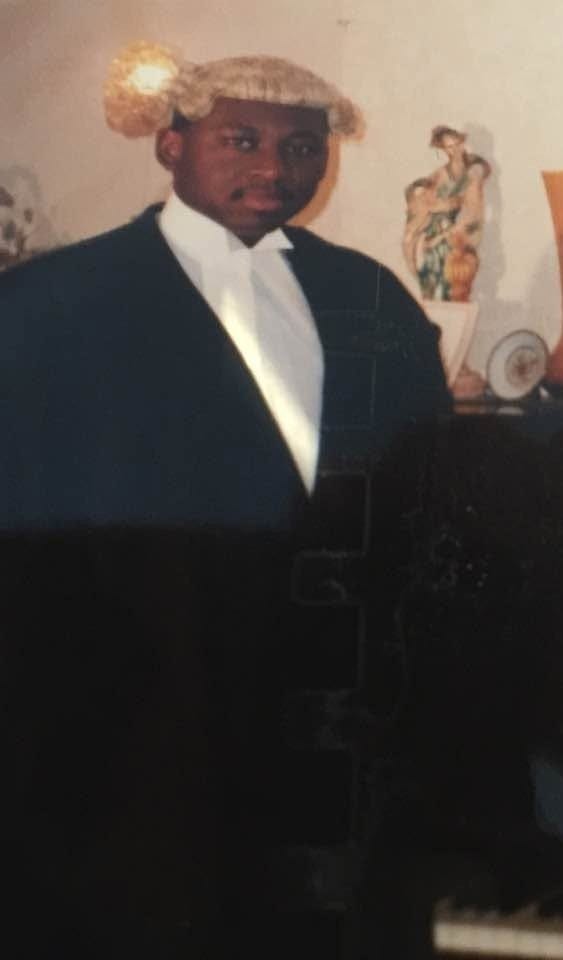
But although Stephen says the incident didn’t ‘upset him’, he admitted it brought back memories of when he first became a barrister in 1993.
He said: “I’m too old and too ugly to be worried about stuff like that but I just thought perhaps for a much junior barrister, it’s the sort of thing where our profession can be quite intimidating, and then you have this feeling of imposter syndrome even when you start.
“And so, something like that could just knock your confidence. 30 years ago, it did make you feel like, ‘Do I belong? Someone just thinks I’m a defendant after all that work of training and qualifying.’”
With racism on the rise in the UK following a series of riots targeting ethnic minorities across the country over the last three years, Stephen says he sees countless comments where Black and Asian people are viewed as the only face of criminality.
The barrister said: “I’ve read stories where there happens to be a Black defendant who’s either been convicted or sentenced. I read some of the comments [on social media] before I turn them off because they say, ‘it’s the usual suspects’, or ‘what do you expect?’
“Usually these assumptions are towards Black and brown people where people forget that crimes are committed by white people, Chinese people, all sorts of people commit crime.”
But Stephen says these assumptions and racist views of Black people aren’t only restricted to law, and that his friends who work in different fields have faced similar experiences.
He said: “I had a lot of friends of mine reach out to me and one of them said, ‘My brother is a consultant obstetrician in a hospital in London and when he turns up to the hospital, people still think he’s the cleaner.’
“I’ve got friends of mine who work in the city. I’ve got friends of mine who, when they turn up at board meetings to make a presentation - people naturally assume that the person who is presenting is the white colleague and not the Black person.”
But Stephen says that limiting beliefs about Black people’s abilities begins in schools at a very young age.
The youth mentor said: “In school, I had two types of teachers. One teacher who told me I wouldn’t amount to anything, and I should stick to sports because I was good at football and that’s what I was going to do. Either do that or work in some kind of labour-intensive job.
“And then another teacher who was very different. She said, I could be anything I wanted. And I stayed in touch with that teacher throughout all of my professional life until she passed away two years ago. I made a point of flying up to Scotland to be at her funeral and I read her eulogy.
“People have a perceived bias about what Black people are. [They believe] we might be able to represent in terms of sport and entertainment, but that’s about it.”
Annual diversity statistics from the Ministry of Justice show that in the last 10 years, the proportion of Black judges has scarcely risen from 1.4% to 1.6%.
But Stephen says those statistics ‘feed down’ and that he doesn’t believe there are no Black people “good enough” for the role.
He said: “The needle’s not moved significantly for 10 years and why has it not?
“There are two schools of thought. Either, people are not applying, and so if you don’t apply, you won’t get appointed. But, we know that’s not true because data tells us that people are applying in more numbers than ever.
“Or the other proposition is that it’s this merit-based system and if you’re not good enough, you don’t get appointed. So, you’re saying that in 10 years, no Black person’s been good enough? I don’t accept that.
“[Something] is going wrong at a certain stage of the selection process.
“There are so few Black judges and it feeds down that if you don’t see Black judges, people are less likely to believe that there are more Black lawyers.”
But the barrister says he hopes more Black children, men and women will pursue their dreams of working in the justice system and he says he aims to help them get there.
He said: “You need a strong family network to also encourage you, and those of us who are in the profession who’ve “made it”, need to be visible.
“I’m a firm believer of what I call not being part of the pull-the-ladder-up brigade where you get to the top of where you are and you pull the ladder up so you don’t want anyone else to be there.
“I’m staunchly against that and that’s why I’m very visible.”