
'I moved from London to Australia as an award-nominated journalist - after 70 job applications over 2 years, I could only get 1 single interview'
Ayo Oluwalana says he felt 'invisible and unwanted' and although nepotism and visa restrictions may have played a part in his rejection, he couldn't ignore Australia's reputation
Thank you for reading The Source. This is a weekly newsletter recapping news from Black, Asian and Arab communities. Founded by awarded journalist Melissa Sigodo, The Source also delivers independent journalism, telling stories from the Black community including the story you are about to read. Stories like this are often underreported, but The Source is on a mission to make sure that you get the stories that matter.
If you haven’t yet subscribed, click below. You can also support this crucial work by upgrading to a paid subscription for £5 a month so we can continue to show the diversity of the Black community and hold power to account.
The Source Exclusive: 'I moved from London to Australia as an award-nominated journalist - after 70 job applications over 2 years, I could only get 1 single interview'
‘I was more than qualified but the rejection made it hard not to feel invisible and unwanted’, writes Ayokunle Oluwalana for The Source.
STORY BY AYOKUNLE OLUWALANA
AUGUST 6, 2025
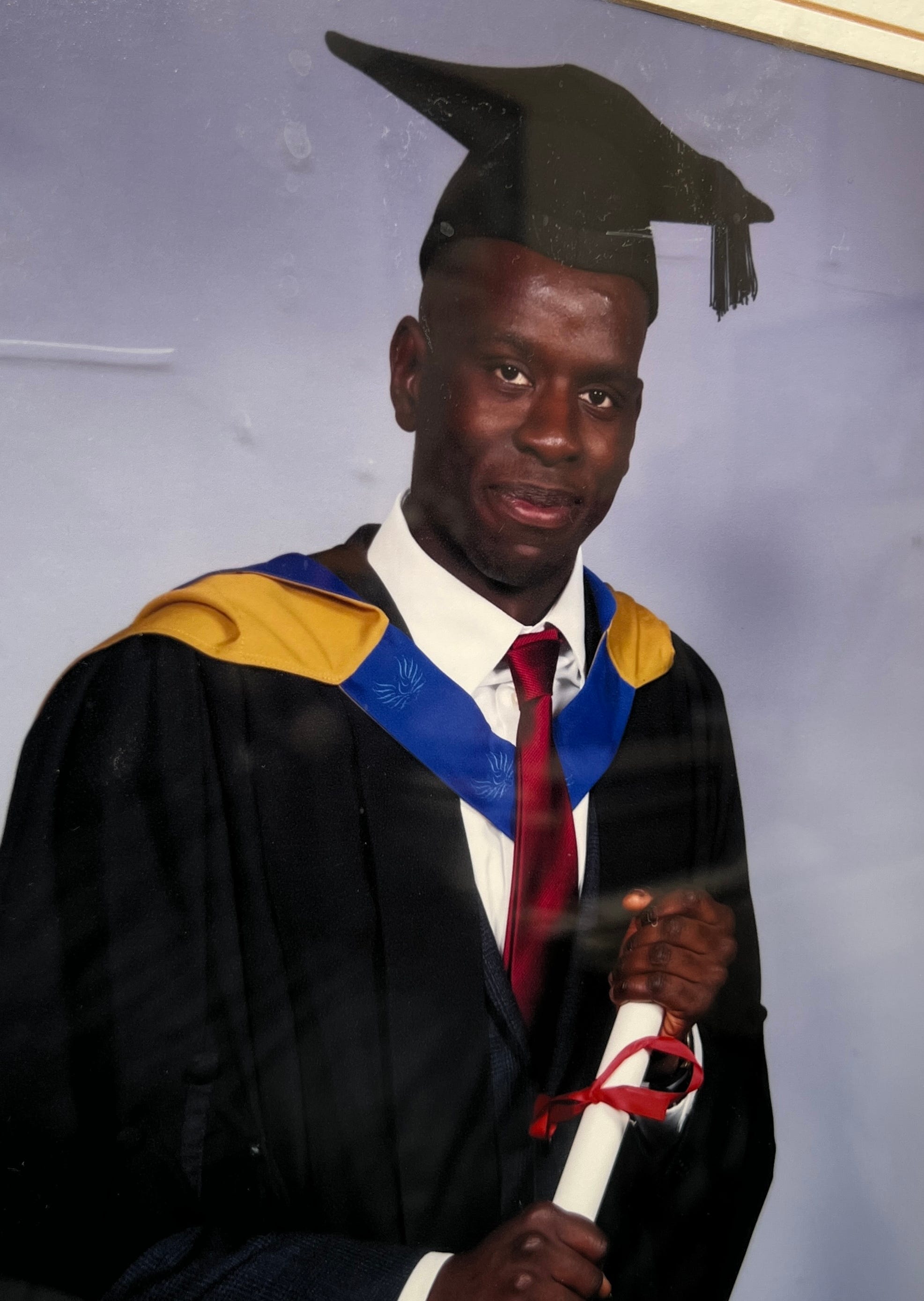
After graduating in journalism in 2018, I decided to move from London to sunny Australia on a working holiday visa. Yes, as a 6’5” Black man with a strong Nigerian name, I ventured off despite being warned of the country’s reputation for racism. This decision came down to the simple fact that if I had ever let people’s views hold me back - I wouldn’t have accomplished half of what I have. But two years into my stay, Australia’s dark reputation was brought right to the forefront of my life.
In 2020, I was fired from my job as a barista after my boss pulled me aside and said that customers wanted their coffee served by ‘someone that doesn’t look like me’. You hear the stories about racism in Australia but nothing could have prepared me for such an overt display. It was a crushing experience. That year also saw the murder of George Floyd by a white police officer, which was followed by global calls for social justice so, I decided to share my story online and it went viral. My Instagram took off, and I wrote about it for a major news site. Then, just as quickly as events had transpired, my time in Oz was over as my visa expired, and therefore, I had to leave.
After returning to London, I landed a job as a journalist where I built a portfolio, found my voice and went on to receive award nominations for my work. I began to thrive professionally, but despite the rejection I had faced in Australia, something kept calling me back Down Under.
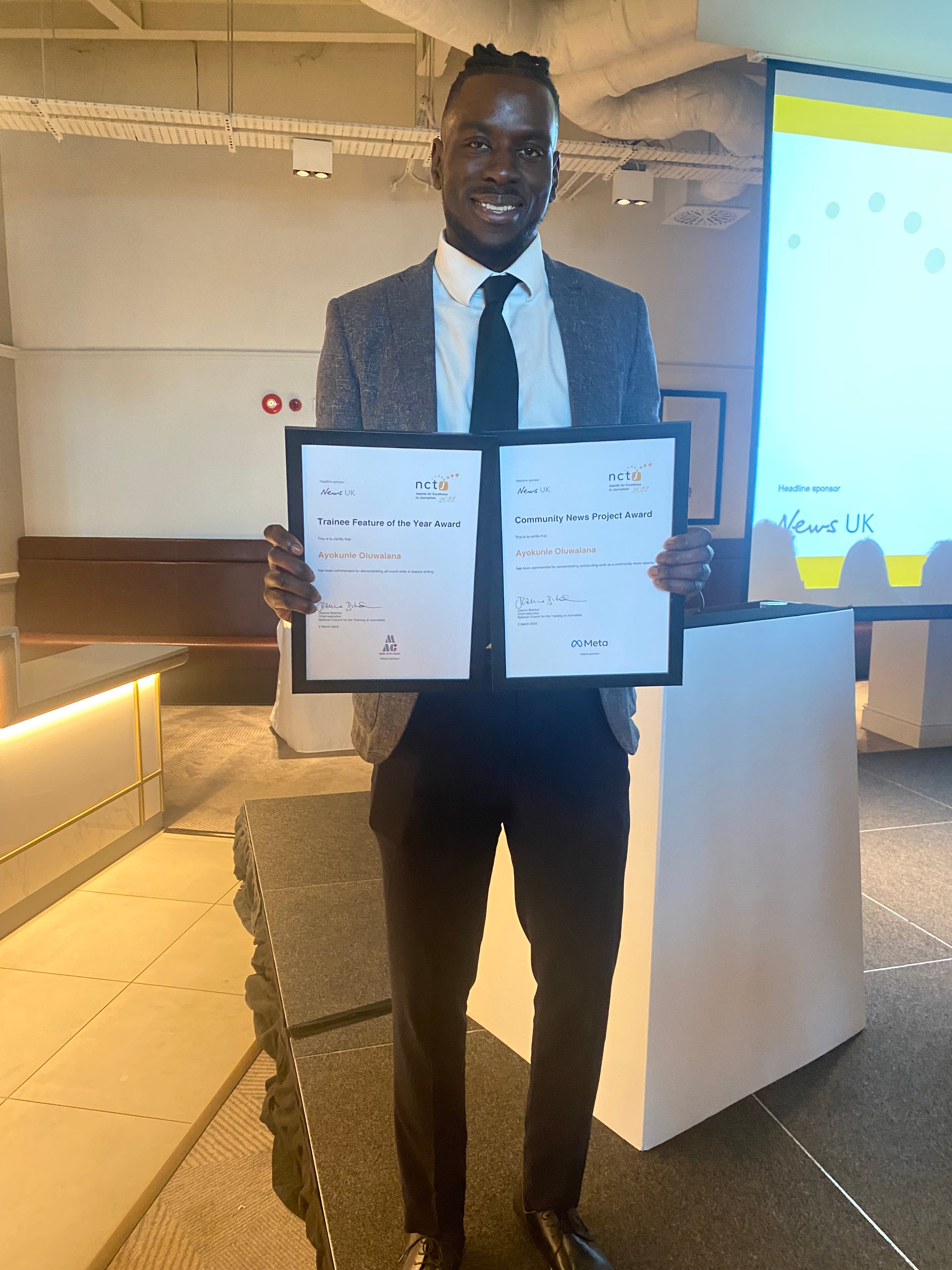
In 2023, I decided to return. I didn’t want to let one incident taint my whole experience and I felt that the country still had a lot to offer. This time I was older, more experienced and with high expectations. So, I travelled the West Coast, soaking in the natural beauty of Western Australia’s breathtaking landscape and eventually, I settled in Perth.


Perth was beautiful but career-wise, it was a dead end. The media landscape was small and even though I tried to network as much as possible, all that followed was rejection after rejection. I was demoralised but not defeated, so I tried to stay optimistic. I moved to Sydney, which was familiar ground, as well as being a bigger city with more publications and a lot more opportunities - or so I hoped. This was where I’d always wanted to be and I believed it would finally come together but instead, the pattern of rejection continued. No interviews, no feedback; just silence.
I spoke to working journalists about my job search, who then told me, 'job applications are pointless here. You need to know someone’. Meanwhile, I struggled to get a foot in as no one was even willing to open the door. I began to doubt myself. I tried to make sense of it. I tried to rationalise it, thinking, ‘if I were an editor, would I choose someone with visa restrictions? Or choose a citizen who could start tomorrow, no strings attached?’. But even though nepotism and visa limitations were both genuine obstacles, there was one fact I couldn’t ignore. I couldn’t overlook how race had been an often loud, sometimes quiet but ever-present factor during my time in Australia. From microaggressions to questions about, ‘where I’m really from?’ - I’d experienced it all.
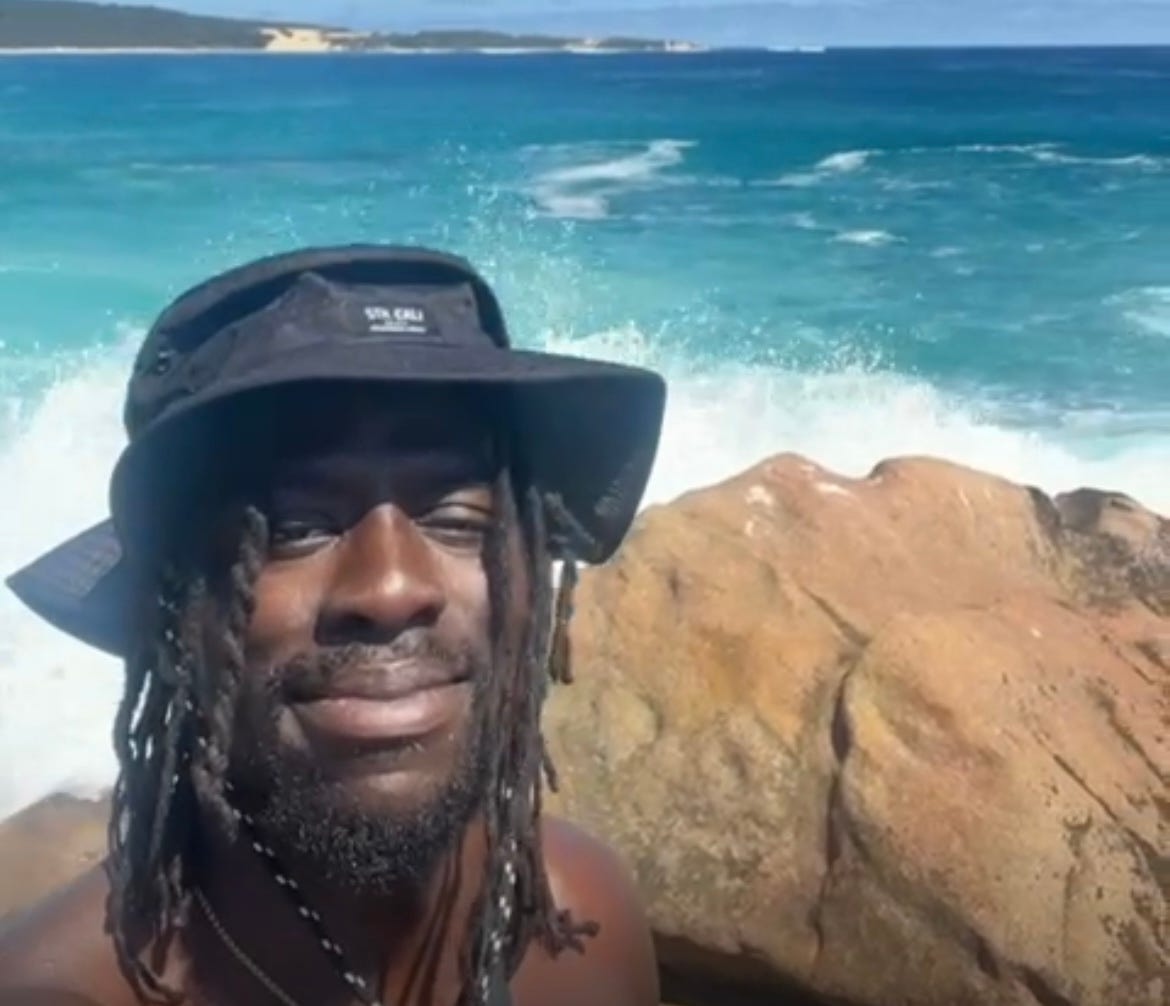
Researchers at the University of Canberra looked at diversity in Australian media in 2023, and after interviewing 196 journalists, a staggering 43 per cent agreed that there were barriers to getting a job in their organisation due to their ethnic or cultural background. Only 30 per cent said there was enough ethnic or cultural diversity in their news organisation, and around one in ten said they had experienced discrimination based on their ethnic or cultural background. These were stark figures. Although I can’t say for definite if my name and race played a role in the rejections I faced, I’d be naive to think that this wasn’t a reason, especially after the lack of diversity in the media sector became a major talking point in 2020 combined with this research.
But after nearly two years of searching, then came a glimmer of hope. I got a response to my 70th job application from the editor at a medical magazine. I was invited to an interview and it went well. Conversation flowed, I asked questions and overall, I left feeling confident. Two weeks passed then I finally got a call back but unfortunately, I hadn’t got the job. They had decided to go with some more experienced in medical writing. For me, this was the final nail in the coffin.
For many of the roles I applied for, I was more than qualified and yet I couldn’t even get an interview. I wasn't asking for favourable treatment but while trying to become a journalist in Australia, it was hard not to feel invisible and unwanted. So, after two solid years with no luck, I had to call it quits and come back to London.
When I ask myself, ‘was it worth going there in the first place?’, despite everything, I still say, ‘yes.’ Although I didn’t land the journalism job I longed for, I loved my time in Australia. Even though I had to take up hospitality work that I didn’t enjoy, I felt joy outside my chosen career, so I could only imagine what it would feel like within it. The country has a special place in my heart. It has this particular lifestyle you can’t find anywhere else. It’s something light and free.
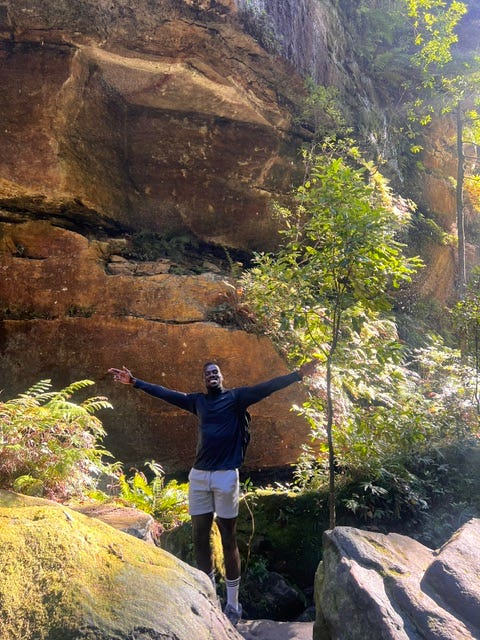
Another positive point was that my overall experience in Sydney felt a lot different in 2025 than in 2020. I felt less of an outsider and experiencing overt racism and microaggressions was less frequent compared to my first time in the country. Perhaps Australians had learned something after George Floyd but sadly, in journalism, there’s still a long way to go.
Is the Australian dream dead? I hope not. But one thing for sure is that even though the setbacks sting, without them, I wouldn’t be the man I am today. I am a 6’5” Black journalist with a strong Nigerian name and that's never going to change. I’ll move wherever I want and the world is simply going to have to accept that.
You can check out Ayo’s Substack - a guide on how to travel through Western Australia - Ayo’s Substack
To support more stories like this, please subscribe and share. Thank you.