
The Source Exclusive: Pensioner honoured for dedicating life to sickle cell sufferers after daughter’s tragic death
Exclusive to The Source
Thank you for subscribing to The Source.
Today, we have The Source’s first ever news story about sickle cell which is a disease that predominantly affects Black people and is the most common genetic blood disorder in the world. Despite this, education about the disease is severely lacking in healthcare but there are phenomenal people doing their part to raise awareness and help those living with the condition. Cecilia Shoetan is one of them.
Exclusive: Pensioner honoured for dedicating life to sickle cell sufferers after daughter’s tragic death
Cecilia Shoetan lost her beloved daughter after complications with sickle cell and a painful eight-hour hospital wait. Since then, she has spent 23 years of her life fighting to support others suffering with the condition.
STORY BY ARIKE IDRIS
APR 16
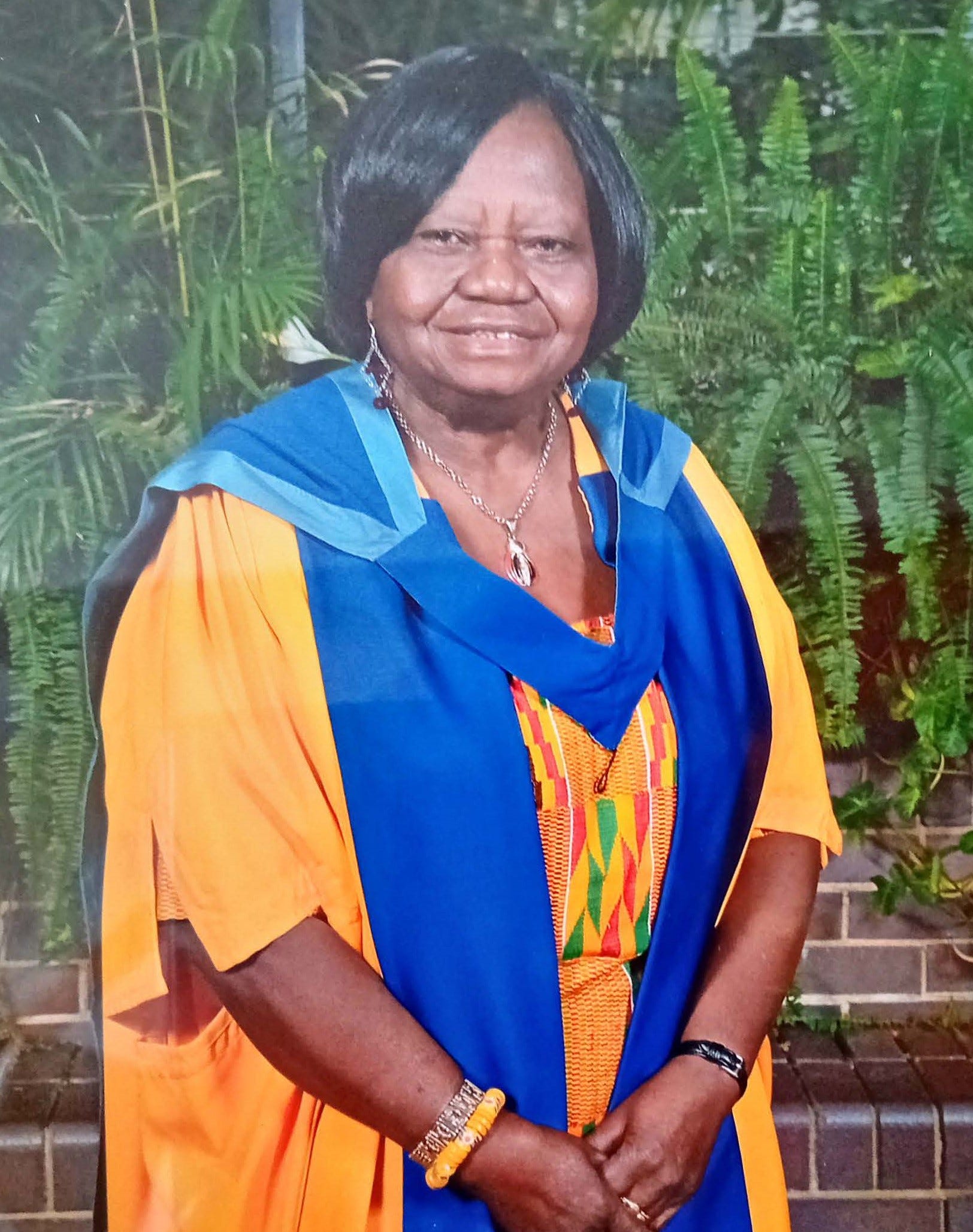
A mum whose daughter died from sickle cell after a painful eight-hour hospital wait has received a university honour after dedicating her life to supporting others suffering with the blood disorder.
At nearly 80 years old, Cecilia Shoetan, 78, who continues her tireless work till this day, has now been recognised with an honorary doctorate degree from the Open University.
In 2000, Cecilia’s daughter Lorraine Shoetan died within 24 hours of arriving at Oldchurch Hospital now Queen’s Hospital in Romford.
The 24-year-old who was experiencing an excruciating sickle cell crisis where blood vessels to part of her body had become blocked - was forced to wait six hours to be seen by a doctors and eight-hours before she was finally hospitalised.
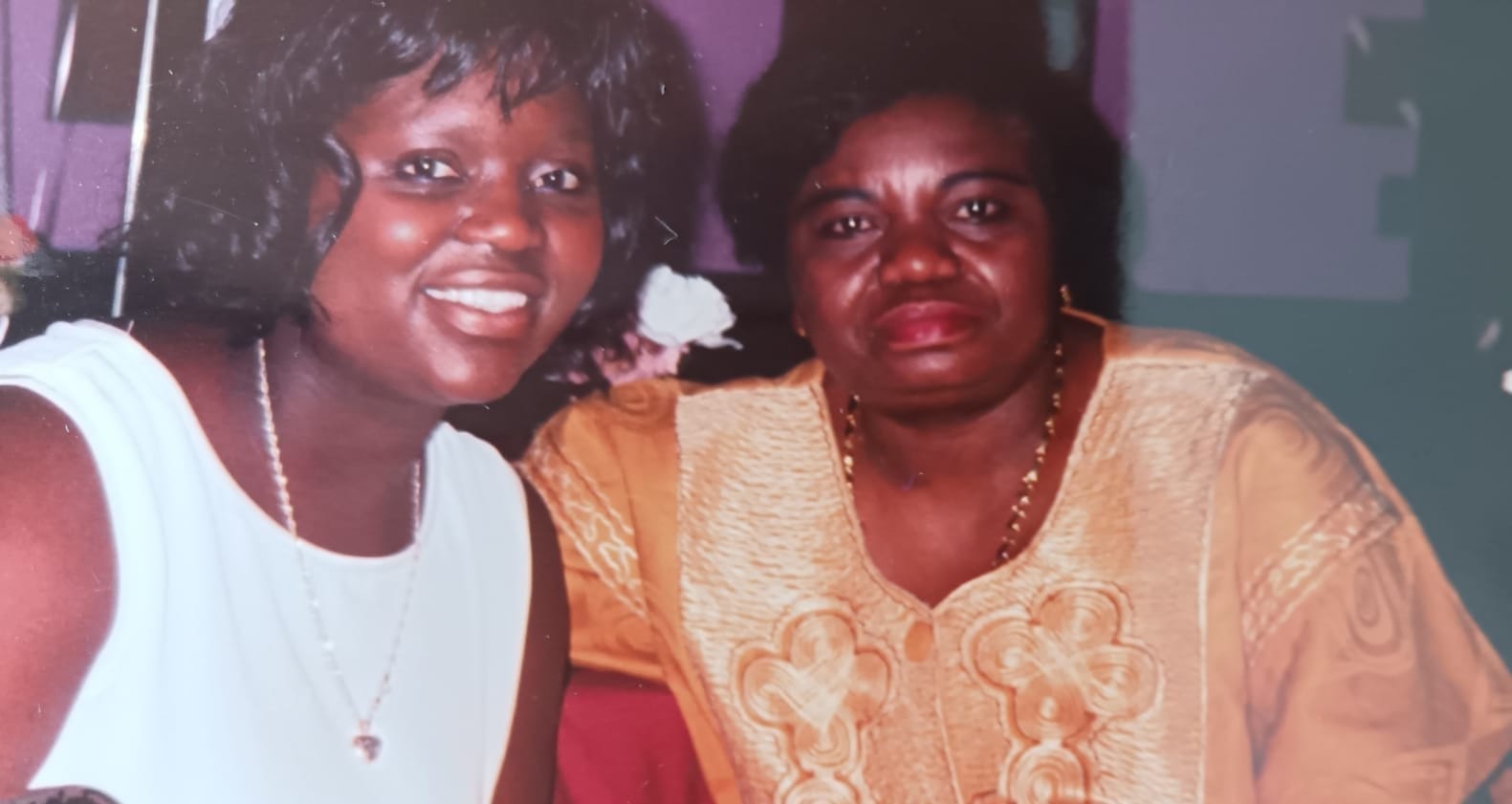
But since Lorraine’s tragic passing, mum Cecilia has dedicated the last 23 years of her life to helping families and individuals affected by sickle cell in memory of her late daughter.
After over two decades of advocacy work, at the end of last year, the pensioner was left shocked when she discovered she would be awarded for her commitment which now sees people from across Europe, Africa and Australia contacting her for advice on the world’s most common genetic blood disorder.
Cecilia said: “To be given an honorary doctorate degree, it was overwhelming. I just couldn’t believe it, but I accept it and said, ‘glory to God’.”
Although coping with the heartbreak of losing her eldest daughter has been difficult as she still deals with painful memories of the day she died - Cecilia says Lorraine’s spirit pushes her through.
She said: “The mental and physical grieving remains the same to this day because I have flashbacks of the day of the incident. But Lorraine, whether her spirit or what, keeps pushing me [saying] ‘Mummy, stop grieving, there are a lot of people who need help. Do what you can.’
“So, mentally I feel, although I’m sad, I can carry on doing the best I can to help others whenever I am.”
The former midwife detailed how Lorraine collapsed and struggled to breathe shortly after she was admitted to hospital as her condition began to quickly deteriorate.
Lorraine was then transferred to the former London Chest Hospital in East London before she died shortly after midnight on September 15.
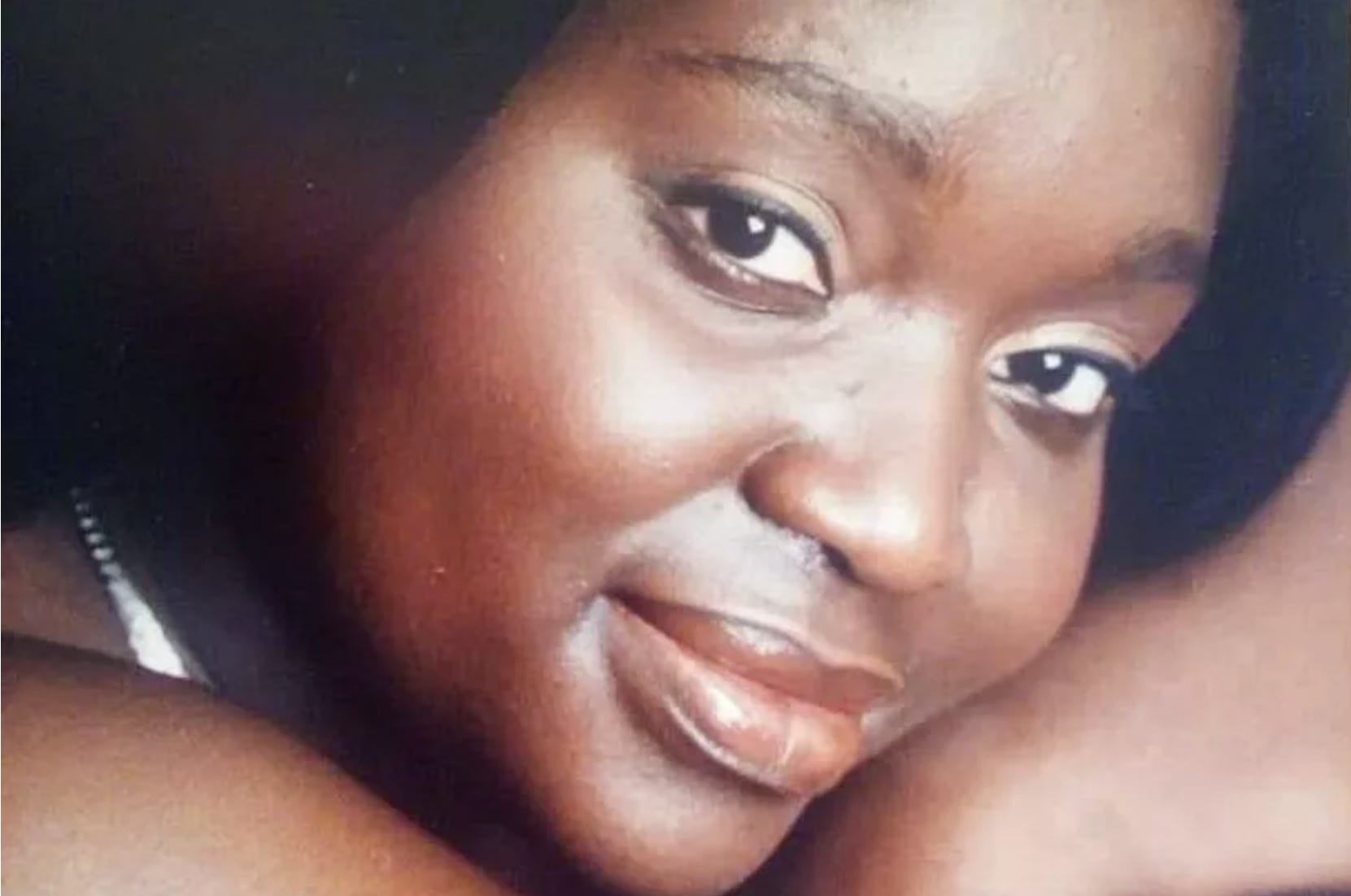
Cecilia says the mismanagement of her daughter’s sickle cell crisis led to her rapid decline and ultimately, her sudden death.
Since then, the mother-of-three has managed support groups and advice services across areas in London and South Essex before moving to Bedfordshire.
At 78-years-old, although she no longer provides face-to-face outreach, Cecila says she continues to offer phone advice and signposts people to other available services.
The mum earned a midwifery qualification in 1974, and haemoglobinopathy diploma at Thames Valley University in 2002, but receiving the honorary doctorate was the first time she was able to don a graduation gown.
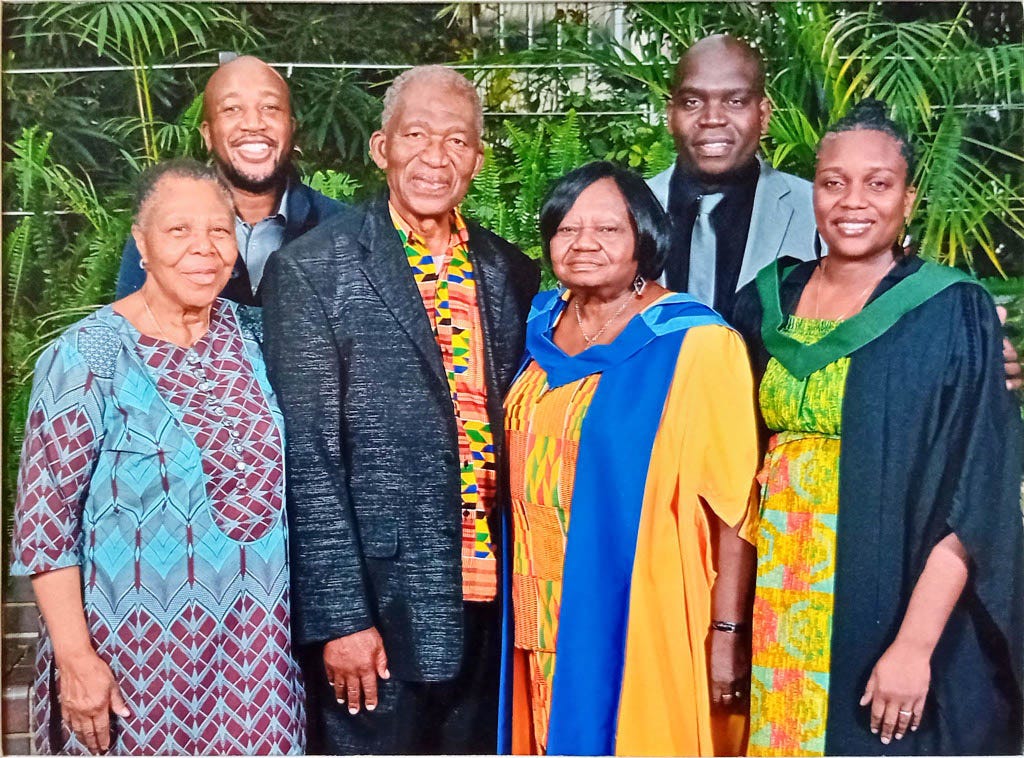
However, the day remained bittersweet as Cecilia says she felt her daughter should have been there instead of her.
She said: “I mentioned it to my daughter, ‘Lorraine should be standing here not me’.
“But I know Lorraine is up there looking down at us with her sweet smile, clapping her hands.”
Looking back at how far she has come, Cecilia says she is “grateful” for the support of many who have brought her to this moment.
The pensioner said: “One night, I was thinking about helping people who required support, education, and advise. So how did I get here?
“But now, people have recognised the work that I’ve done as something special which has helped a wider community, as well as brought life and changes into their lives. So, I’m impressed, delighted, and grateful to everyone in my life who has been involved and the Sickle Cell Society and Thalassamia Society that has brought me to this moment.”
A spokesperson for Barking, Havering and Redbridge University Hospitals NHS Trust said:
“We are very sorry Cecilia and her daughter Lorraine had a poor experience at Oldchurch Hospital.
“We hope it is of some comfort to Cecilia that our care for sickle cell patients has vastly improved over the past 25 years. We have a dedicated team with medical and nursing leads and specialist adult and children’s nurses.
“We’ve also improved information sharing with partners; sickle cell patients have their own individualised pain management protocols available to ambulance crews and GPs to reduce delays in receiving pain relief; and ‘patient passports’ are to show to A&E staff in crisis situations, so they have a better understanding of their patients’ needs.
“Our sickle cell services (adult and paediatric) were awarded Specialist Haemoglobinopathy Team status by NHSE in 2024 due to the level of specialism, which allowed us to employ an additional specialist paediatrician.
“We also now offer automated red cell exchanges, which remove or replace affected red blood cells and can reduce the necessity for top-up blood transfusions, as well as manage pain.”
To help support more stories like this, please consider upgrading your subscription to paid for £5 a month and join those who are already fueling The Source.