
The Source Exclusive: ‘I was the only non-white face in a deparment of over 100 - now I’ve created my own network of more than 1000 Black journalists’
Exclusive to The Source
Hello there,
Your latest exclusive story from The Source is ready.
This week’s piece features an extremely driven and passionate founder who decided to take it upon herself and make a difference in the media. Hannah Ajala shares her inspirational story and how she is helping Black people break through an industry overrepresented by white people.
Exclusive: ‘I was the only non-white face in a deparment of over 100 - now I’ve created my own network of more than 1000 Black journalists’
After realising she was the only non-white face in her first media job, Hannah Ajala saw no other option but to create her own network providing support for Black journalists. With any partnerships she forms, the founder asks that an agreement acknowledging institutional racism is signed.
STORY BY MELISSA SIGODO
APR 28, 2025
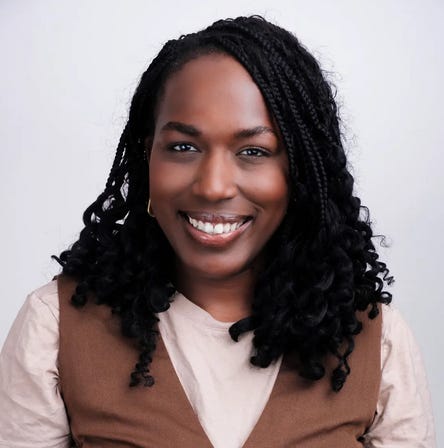
For over seven years, Black journalist network founder Hannah Ajala has made it her mission to support, uplift and connect Black press in a predominantly white industry.
Since getting her first role in media to work in production, the now award-winning journalist says she was determined to find other Black journalists after realising she was the only non-white face in a department of over 100 - despite their programmes being geared towards international audiences.
In 2018, the founder created We Are Black Journos (WABJ) and held its first impromptu self-funded event which attracted nearly 100 Black journalists, broadcasters and writers eager to build community.
Now, the organisation has a growing network of over 1000 Black journalists who can access support with job applications as well as financial assistance to help them break through an “industry not build for Black people.”
But at the core of the WABJ is its mission to create a “sense of accountability” as the 31-year-old says that when she forms any partnerships, an ‘informal/formal’ agreement acknowledging that institutional racism exists, must be signed.
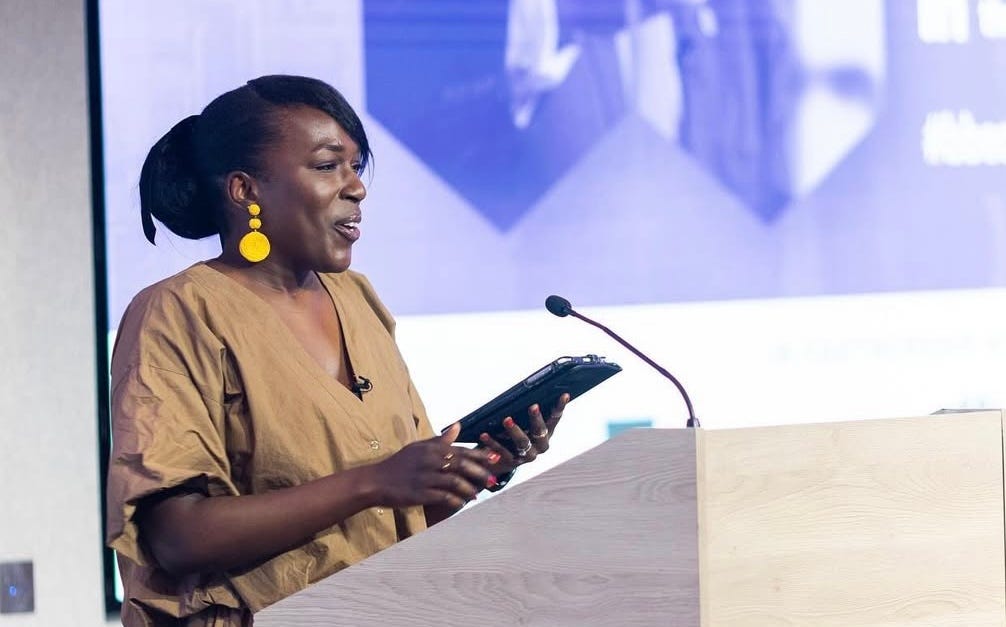
Speaking to The Source, Hannah said: “I know we like to say that this industry wasn’t built for Black people because that’s many industries we’re seeing the UK, but it’s important that [our partners] are not tone deaf and they’re not using us for clout to make them look good.
“But they actually understand the imbalance, and we can have that conversation and put people’s money where their mouth is.”
With a recent Reuters survey finding that only 1% of journalists were from Black, Black British, Caribbean or African backgrounds, while white people are currently overrepresented compared to the UK population - Hannah says her aim is to “normalise” having more Black journalists.
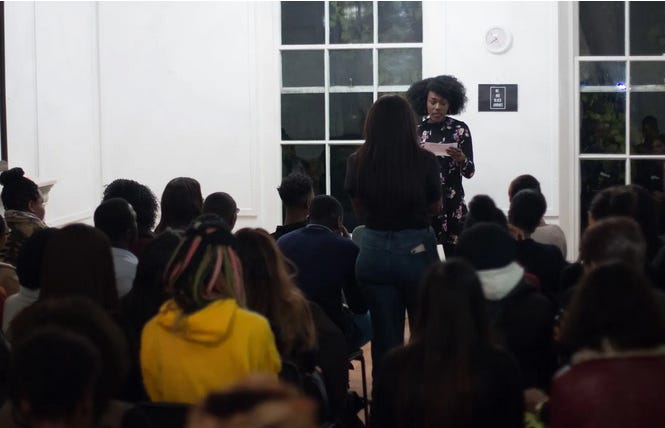
The founder said: “It’s just continuously normalising our presence in these areas.
“I know Black journalists who are absolutely thriving in their careers, and I know others that are almost fighting for dear life where universal credit is just about supporting them.
“The list of endless applications that keep getting rejected, emails that aren’t getting responded to, the meetings that they’ve been invited to but are nervous to travel from Zone 6 where they live to Zone 1 because they don’t know if they can afford it.
“It’s more than just a network, it’s also tailored jobs that are sent through to us by our email directory, and if people in our membership get in contact and say that they haven’t heard back, we are the middle person to chase up with that person to say, ‘hey, you specifically came to us for this but we’re not hearing.’
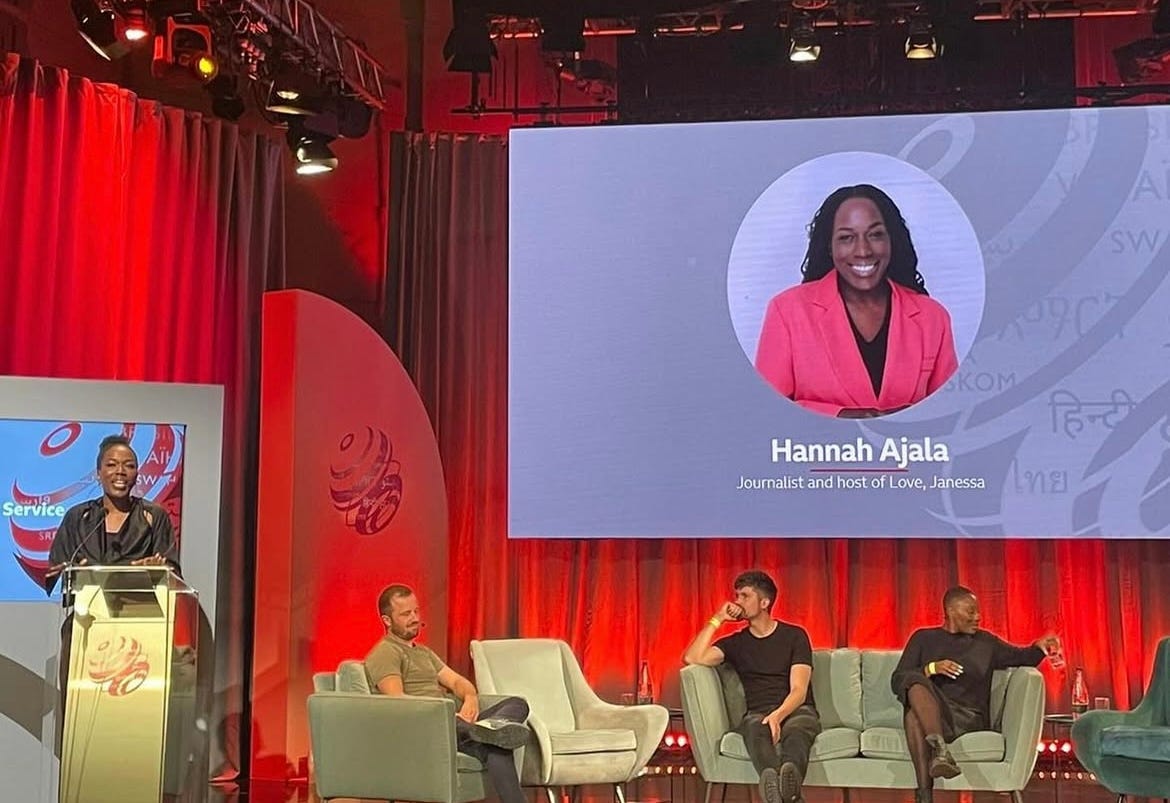
As well as being the middleman between companies and applicants, Hannah says she has made a pledge to help those in need of any kind of financial support for costs of Black journalists or media enthusiasts who are navigating the industry.
She said: “We’ve got a hashtag called WABJ gives back. We started it a couple of years ago and it’s basically to give money to journalists that are going through a bit of a hard time.
“It goes back to that example of someone living in Zone 6 travelling up to Zone 1, they don’t know if this person they’re going to meet will pay for their coffee or not, let alone being able to afford their own transport - to someone who is running their own podcast, but their headphones are on their last legs, and they can’t afford another pair.”
The founder has come a long way since successfully putting on her first-ever WABJ event, with under three weeks prep.
With appearances from leading Black names in the industry such as GUAP Magazine owner Ibrahim Kamara and news presenter Claudia-Liza Vanderpuije - Hannah says the launch event left her feeling “amazing” to see her vision come to life
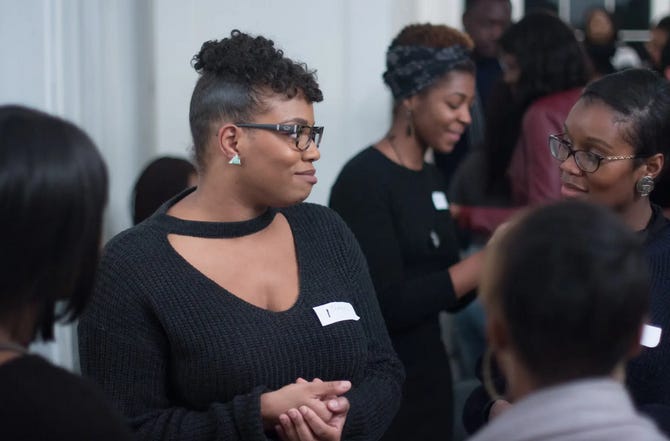
She said: “We had our first ever event and rented out a drama studio space just by Regents Park and I spent my own money. Less than 100 quid to rent it out for a few hours.
“We sent out the word [and had a panel with] Ibrahim Kamara, he’s the owner of GUAP Magazine, Claudia-Liza Vanderpuije, Victoria Sanusi and Colleen Harris formerly at the BBC and that was the birthing of these conversations, safe space and a network that deserves to have a platform.
“A photographer friend - I paid him something, had loads of helpers who used to be people I mentored for years and printed out We Are Black Journos t-shirts. We did a Costco run because one thing about Black people at events, we’re going to feed you.
“I made a great connection with an amazing woman who worked at a popcorn company, and she gave me free boxes of popcorn for everyone and that was literally the birthing of We Are Black Journos.
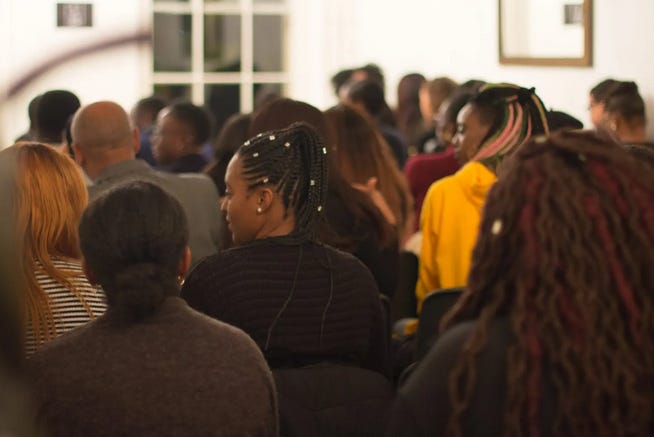
“With three weeks of promo, Eventbrite, word of mouth, social media, I felt absolutely thrilled to see that these visions and conversations could be put into fruition.”
The founder who turned her idea into a vital tool to create more opportunities for Black journalist remains humble as she says she’s simply playing her part.
Hannah said: “It’s so important that we are that safe space for people to connect with each other because there is so much going on within the space of Black journalism and we’re just doing our bit to connect them, amplify their confidence and further opportunities in every way we can.”
Follow Hannah Ajala on Instagram and Twitter as well We Are Black Journos on Instagram, Twitter and their website.
Don’t forget to claim your half-price subscription which is valid till May 1st. Your contribution will help bring you more of these stories and help The Source grow.
Love this so much! Thank you for this feature, Melissa.