
The Source Exclusive - Award-winning ballet company showcasing Black & Asian dancers forced to move into church with one toilet and no showers
Ballet Black was created after founder Cassa Pancho was told Black people were 'too flat footed' to dance ballet. She now needs to raise funds to renovate her new space.
Thank you for subscribing to The Source. This is a weekly newsletter recapping news from Black, Asian and Arab communities. The Source also delivers exclusive stories from the Black community including the one you are about to read.
If you haven’t yet subscribed, click below to have these exclusive stories and the weekly newsletter delivered straight to your inbox. You can also support this work by upgrading to a paid subscription for £5 a month.
The Source Exclusive: Award-winning ballet company showcasing Black & Asian dancers forced to move into church with one toilet and no showers
Ballet Black founded by Cassa Pancho who grew up being told Black people couldn’t dance ballet has launched a fundraiser to help renovate the new space and give her dancers the best facilities she can afford.
STORY BY MELISSA SIGODO
MAY 21
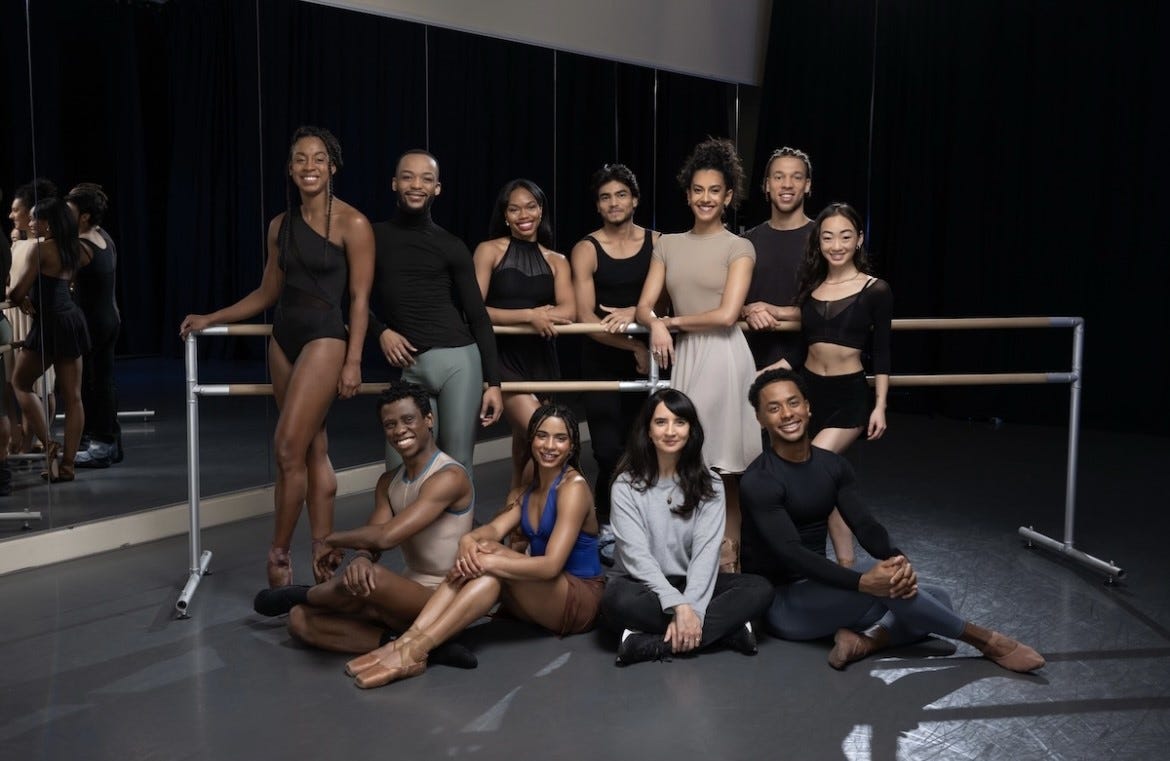
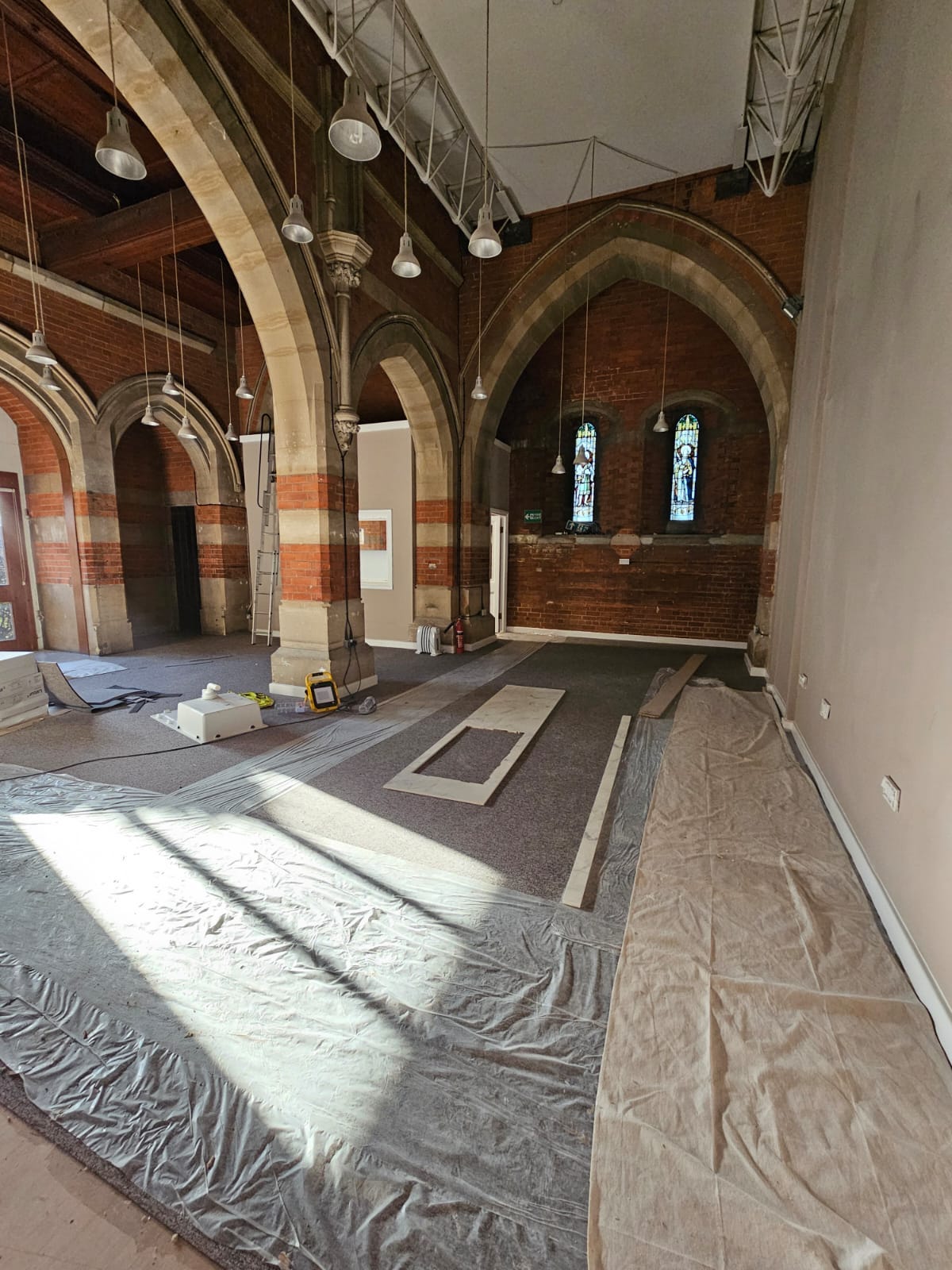
An award-winning ballet company created to give more visibility to Black and Asian dancers has been forced to move into a church with one toilet and no showers after leaving their home of eight years.
Ballet Black founded by Cassa Pancho MBE, 46, who grew up hearing racist remarks that Black people’s feet were “too flat” to do the classical dance - is now desperately trying to raise money to refurbish their new residence.
When the landlord of her former building decided to change one of their rooms uses, Cassa says she was left ‘devastated’ and her team had no choice but to leave during the busiest part of their performance calendar.
Although the founder is relieved to have found a new space in London which is larger - renovating the church location will require at least £50,000.
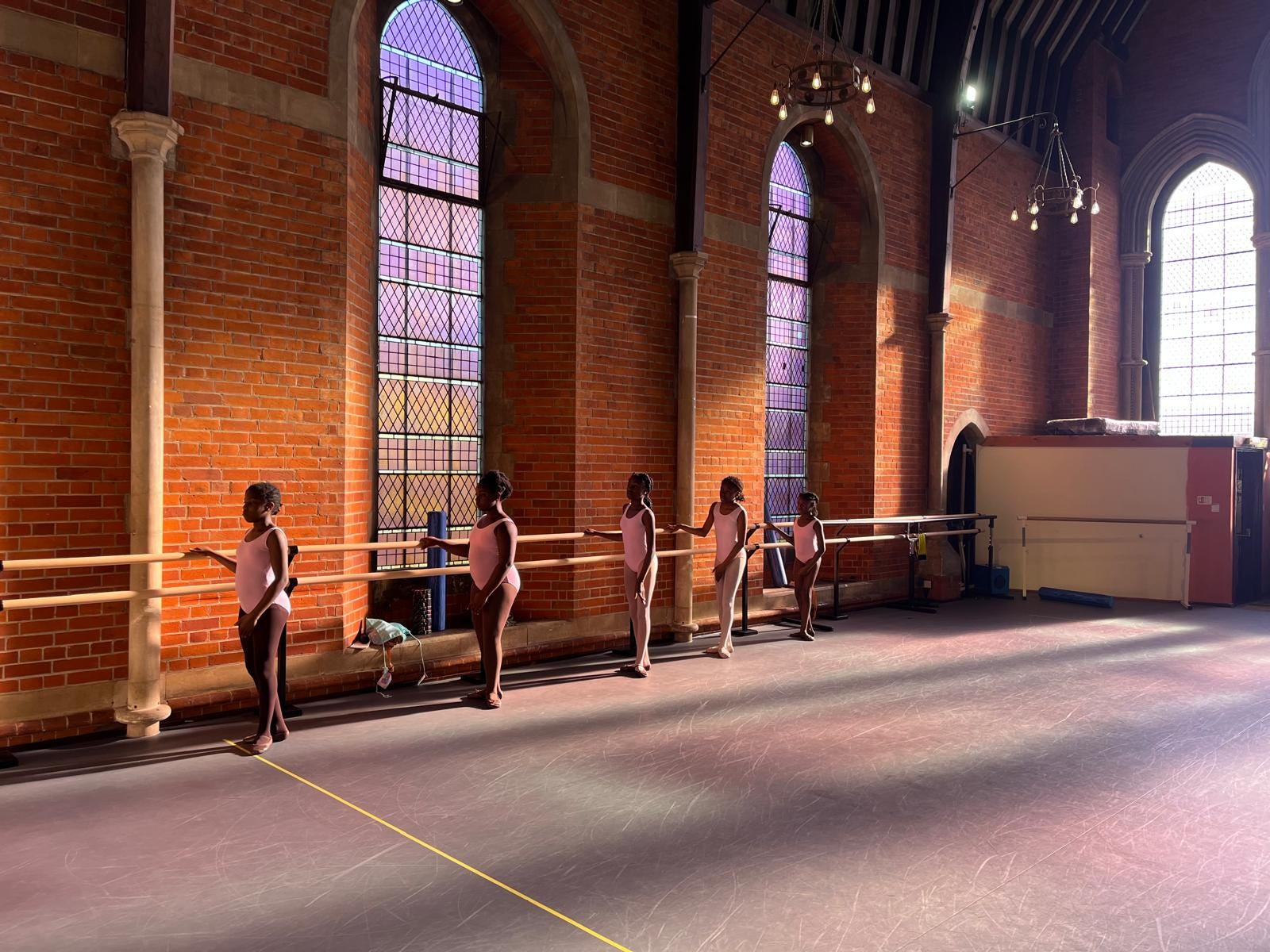
Cassa said: “I was devastated [when we had to leave]. I just couldn’t believe it after eight years. We had done up the building. We got on very well with the staff.
“Now, there's one toilet cubicle for all of us. It's 15 of us here, office, staff and dancers, and we need to build. We have the space. We have the builder. We just need some money.
“The rent has gone up by a third. A lot of building work needs to be done. We had to install a dance studio.
“We’re the only ballet company in the UK that doesn't have a shower and toilets. It's just not the way I would like to treat our dancers. I would like to make sure they have the best facilities that we can afford.”
Cassa’s journey to creating Ballet Black began at two-and-a-half years old when her parents enrolled her in ballet to “keep her busy.”
But the experience of being perceived as white due to her fair skin, despite having a white mother and Black father she says gave her a disheartening insight into the racist perceptions held in the predominantly white ballet space.
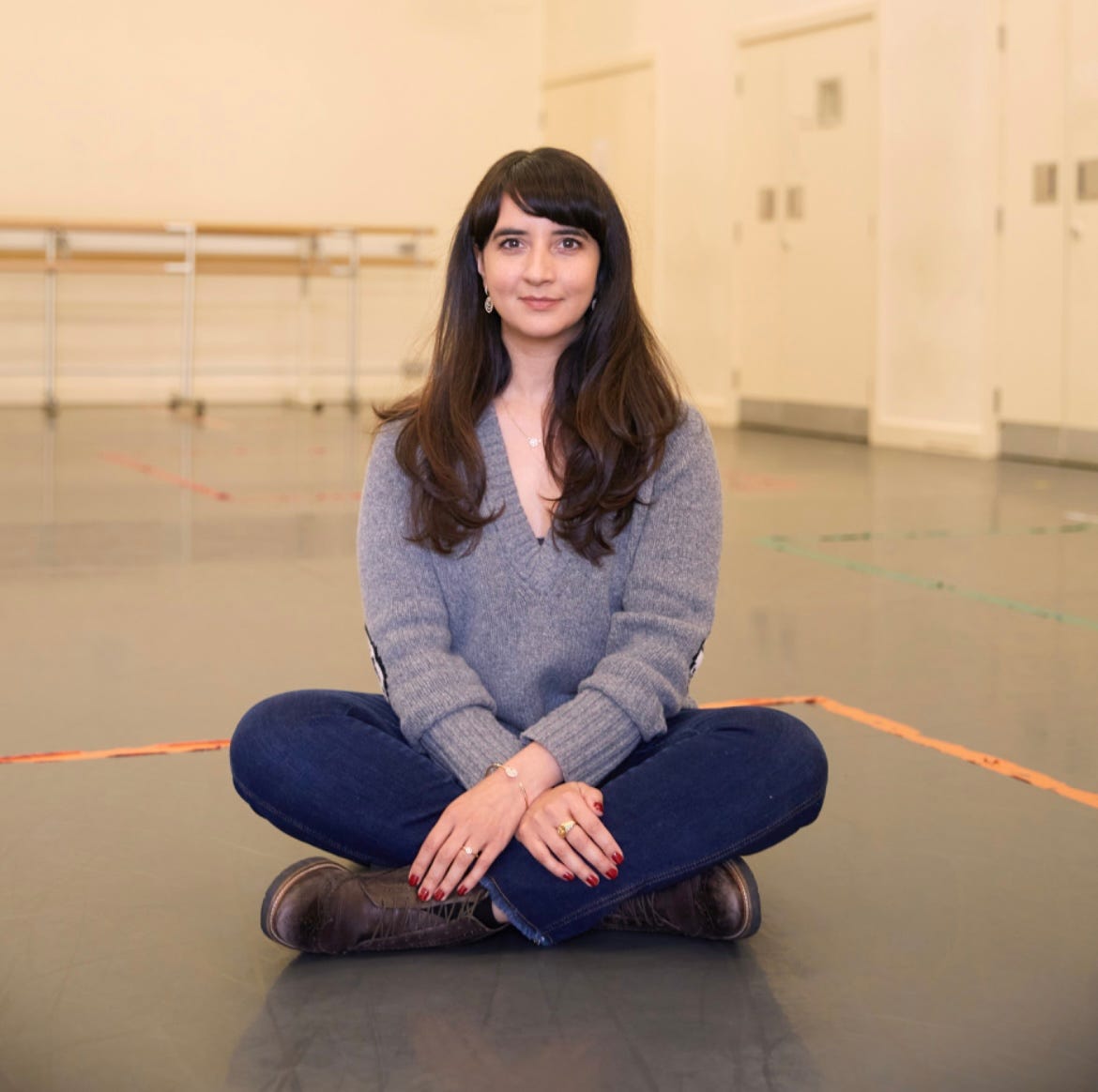
Cassa said: “My father's from Trinidad, my mum's British and everyone always thinks I'm white, so I would hear a lot of racist things in ballet because they thought there was no Black presence in the room, and that led me to start Ballet Black.
“When I got to professional school, that's where I really started to notice. First of all, everything around me was white. Teachers, students, everyone, and this is where the comments were being made by professional teachers in a professional training.
“Saying, ‘Black women don't have the right like pointy feet for ballet, you have to be able to really point your foot, and Black people are flat footed, too much hair, backsides too big’, all the stereotypes.
“It was very unsettling. We didn't have terms like ‘passing privilege’ and now post George Floyd, we have all this language now to describe things. But I remember thinking, ‘what?’ And it started to make me aware that I didn't look the way I guess, I felt.”
Cassa says that when she would inform teachers of her heritage, they would begin pointing out how they believed she differed physically, which left her feeling disempowered.
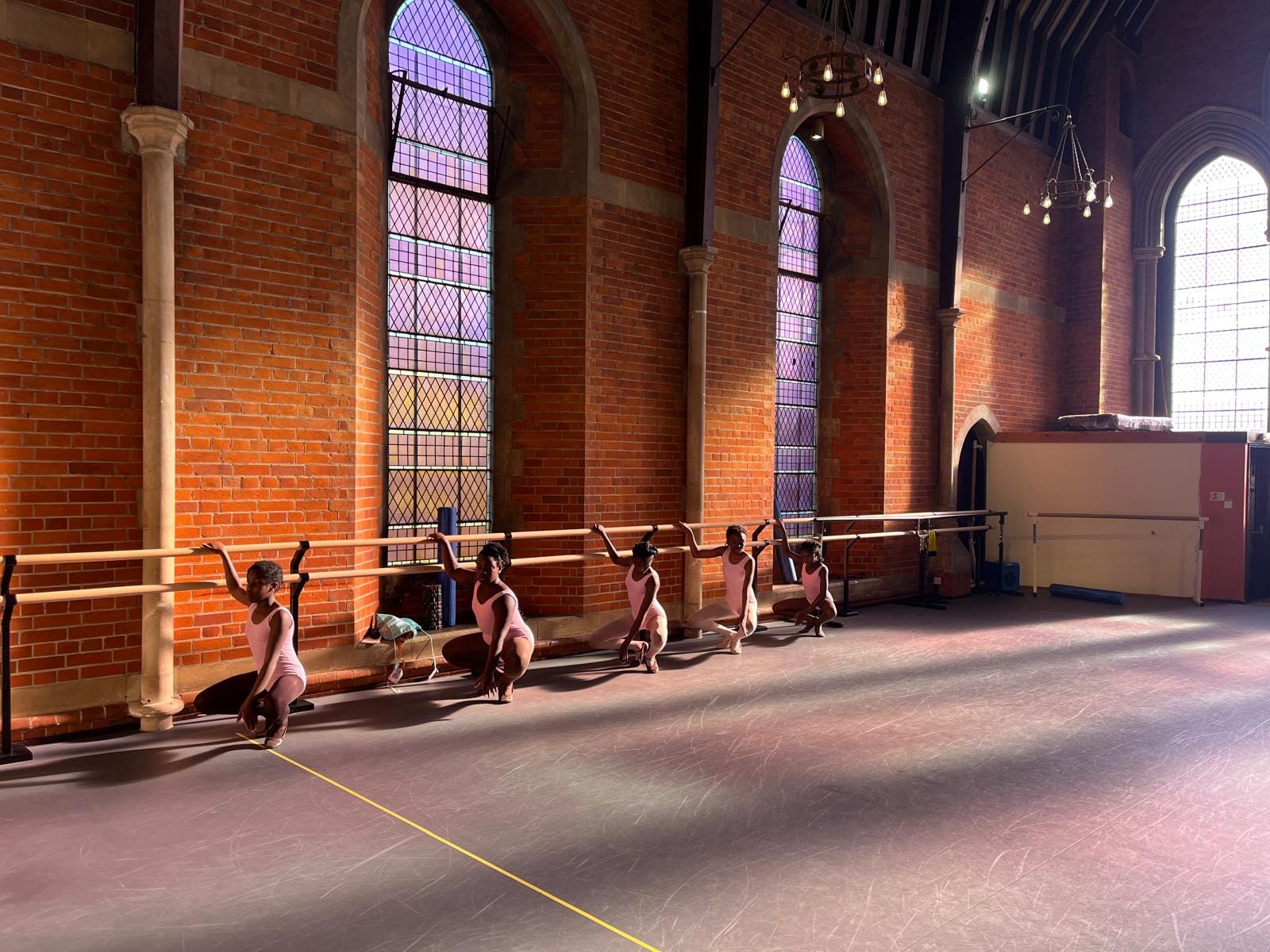
Cassa said: “I would say, ‘you know, my father's from Trinidad.’ Then I would get a slightly different thing, like, ‘oh yes, we can see that curve in your spine, you have really great rhythm.’
“I was a student, so I didn't feel empowered to do or say very much to these people who were in a position of power over me.”
The founder says that after writing a dissertation about the lack of Black women in ballet in the UK, it ultimately led to her creating Ballet Black.
She said: “I had no funding. I worked two jobs. One as a ballet teacher and one as a receptionist to make money to pay for things like shoes for my dancers and travel cards.
“They all worked for free, and I would buy lunch, and just try and cover expenses. Then we put on a performance, and that got us a few 1000 pounds, and then I took that money and put another performance, and that got us a little bit more money.
“It was a very long time of hustling to free and raise money and all of that.”
Through sheer determination, for the last two decades since being founded in 2001, Ballet Black has won multiple awards with successful shows touring the UK.
At the heart of the company’s mission, Ballet Black has employed Black, Asian and mixed-race teachers to change children’s mindsets about what is possible in ballet.
But with refurbishing the new venue, Cassa says she ‘carries the weight’ of worrying where the money will come from.
She said: “The load of carrying the weight about where the money's going to come from, makes it feel like a different proposition.
“We're not trying to compete with like the Royal Ballet or anyone like that, but [we just need] basic things like toilets and a shower.”
A Just Giving fundraiser has been launched to help with the refurbishment of the venue. For more information about the fundraiser, click here.
To help support more stories like this, please consider sharing the story.