
Teen sickle cell sufferer receives life-changing bone marrow transplant after losing 2 sisters to the disease
Rebecca Talabi, 16, battled the disease which predominantly affects Black people but now looks forward to living pain-free.
Thank you for reading The Source which was founded by awarded journalist Melissa Sigodo. The Source delivers independent journalism, telling stories from the Black community in the UK with a huge emphasis on community including the story you are about to read. Stories like this are often underreported, but The Source is on a mission to make sure that you get the stories that matter.
If you haven’t yet subscribed, click below. You can also support this crucial work by upgrading to a paid subscription for £5 a month so we can continue to shed light on the Black community and hold power to account.
The Source Exclusive: Teen sickle cell sufferer receives life-changing bone marrow transplant after losing 2 sisters to the disease
Rebecca says she looks forward to no longer experiencing pain and being like “the rest of the kids” after receiving a transplant from her older sister
STORY BY MELISSA SIGODO
JANUARY 14, 2026
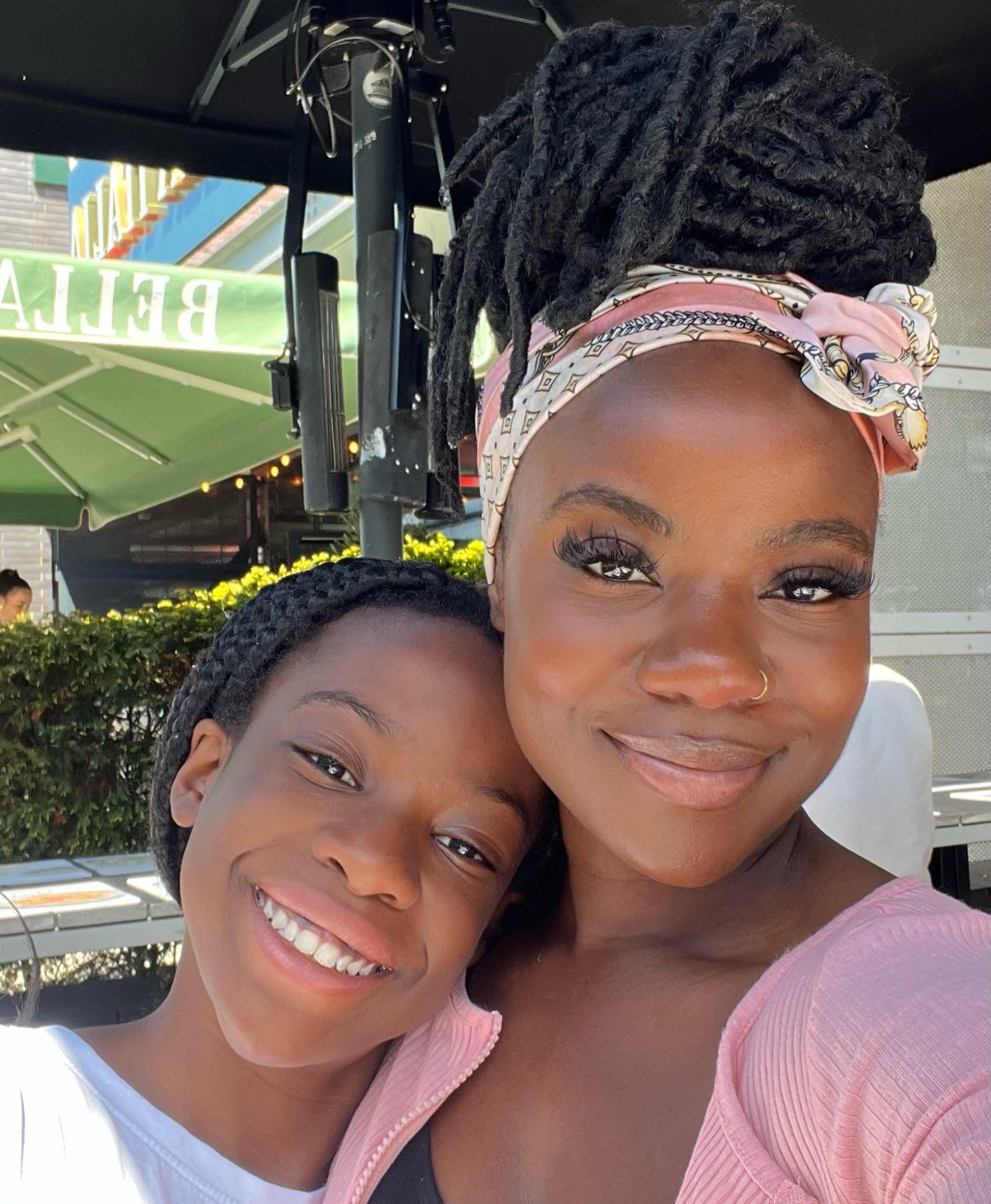
A teenage sickle cell sufferer says she looks forward to a pain-free future after receiving a life-changing bone marrow transplant from her only remaining sister.
Rebecca Talabi, 16, who spent most of her childhood in hospital, experienced painful episodes known as sickle cell crises from the condition which predominantly affects people of African and African-Caribbean origin.
The disease which is the world’s most common inherited blood disorder produces unusually shaped red blood cells and can lead to extreme agony from blockages as well as causing fatal complications including strokes and multi-organ failure.
Although there are ways to treat sickle cell such as having blood transfusions, studies show that a bone marrow transplant also known as a stem cell transplant has a 90 out of 100 patients chance of curing the illness when harvested from matched related donors.
Now, Rebecca, who underwent three intensive days of 18 hour-long chemotherapy to prepare for the procedure says she is grateful for her sister Sayo Talabi, 29, for donating her bone marrow and being the “best carer ever.”
After finally being discharged from St Mary’s Hospital in Paddington, London, on January 7, 2026, the teen says she looks forward to no longer going through pain and being able to run again like the “rest of the kids.”
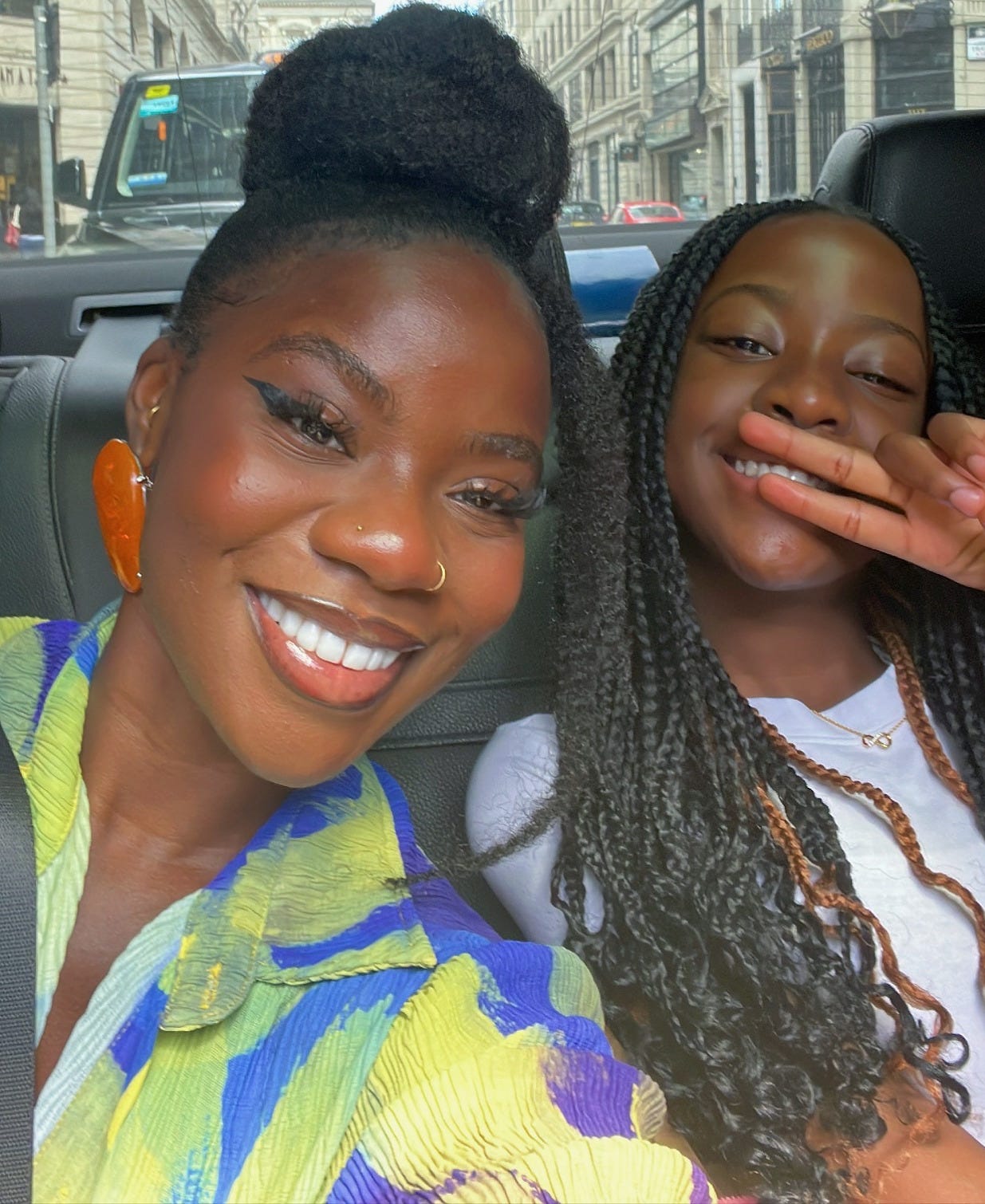
Speaking exclusively to The Source, Rebecca recalled her time in hospital and how she thought of her late sibling Elizabeth who was one of her two sisters who died in 2012 from a severe sickle cell crisis at nine years old.
Rebecca said: “I was thinking about Elizabeth the whole time. She was so young when she passed and I think that’s the reason why sickle cell has been really hard for me because I’ve had no one to talk to about it. No one truly understands. [If she was alive,] we’d be able to understand each other.
“Now, I feel so relieved because [having a transplant] is something we’ve been talking about for a while and its finally here.”
Rebecca’s other sister Adesayo who died at six months old hadn’t received an official sickle cell diagnosis while hospitalised in Nigeria but is believed to have passed away from the disease.
But as well as feeling emotional about the family loss at the hands of the disease, Rebecca recalled how she endured a physical and mental battle.
Before receiving the transplant which replaces abnormal stem cells residing in bone marrow with healthy cells, the 16-year-old had her eggs retrieved as a precautionary measure for the most gruelling part of the procedure which was the chemotherapy.
Once she completed the intensive treatment to prepare her body to accept the bone marrow, the A-level student experienced hair loss as well as debilitating side effects which left her unable to stand without the help of her sister.
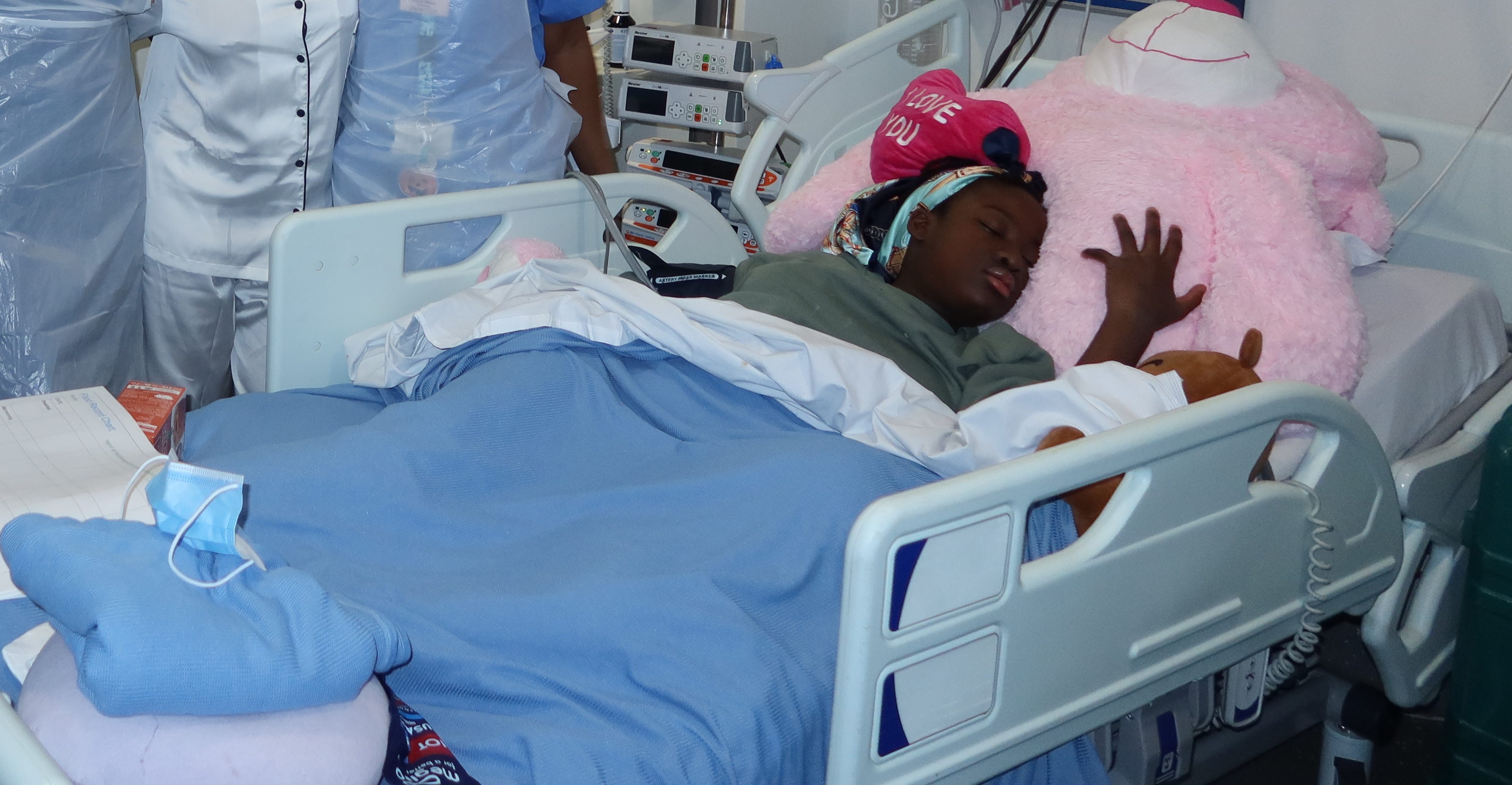
Rebecca said: “It was horrible. I was really fatigued. I was losing my hair. I looked different. I felt different. My body was going through changes. I had mucositis which is when your gut is affected by chemotherapy. I was going to the toilet 10 to 14 times a day.
“[It would have been harder without my sister during] all my mental breakdowns. I had days where I was really irritated, really annoyed, really angry for no reason and she always understood.”
Rebecca’s sister Sayo who previously worked as a health care assistant and is now a sickle cell advocate and influencer says she cried daily as her sister fought through the chemotherapy.
Sayo said: “I cried every day. There wasn’t a single day where I didn’t cry. She wasn’t able to stand by herself. It was really, really difficult because I just felt hopeless.
“Literally every 10 minutes she needed the toilet and that was throughout the night. There were points where she said that she didn’t want to do it anymore. It was just a lot, and she doesn’t remember a lot.”
But knowing beforehand what lay ahead for her sister’s transplant journey, Sayo says she wanted to make her as comfortable as possible by even decorating the toilet and preserving Rebecca’s hair.
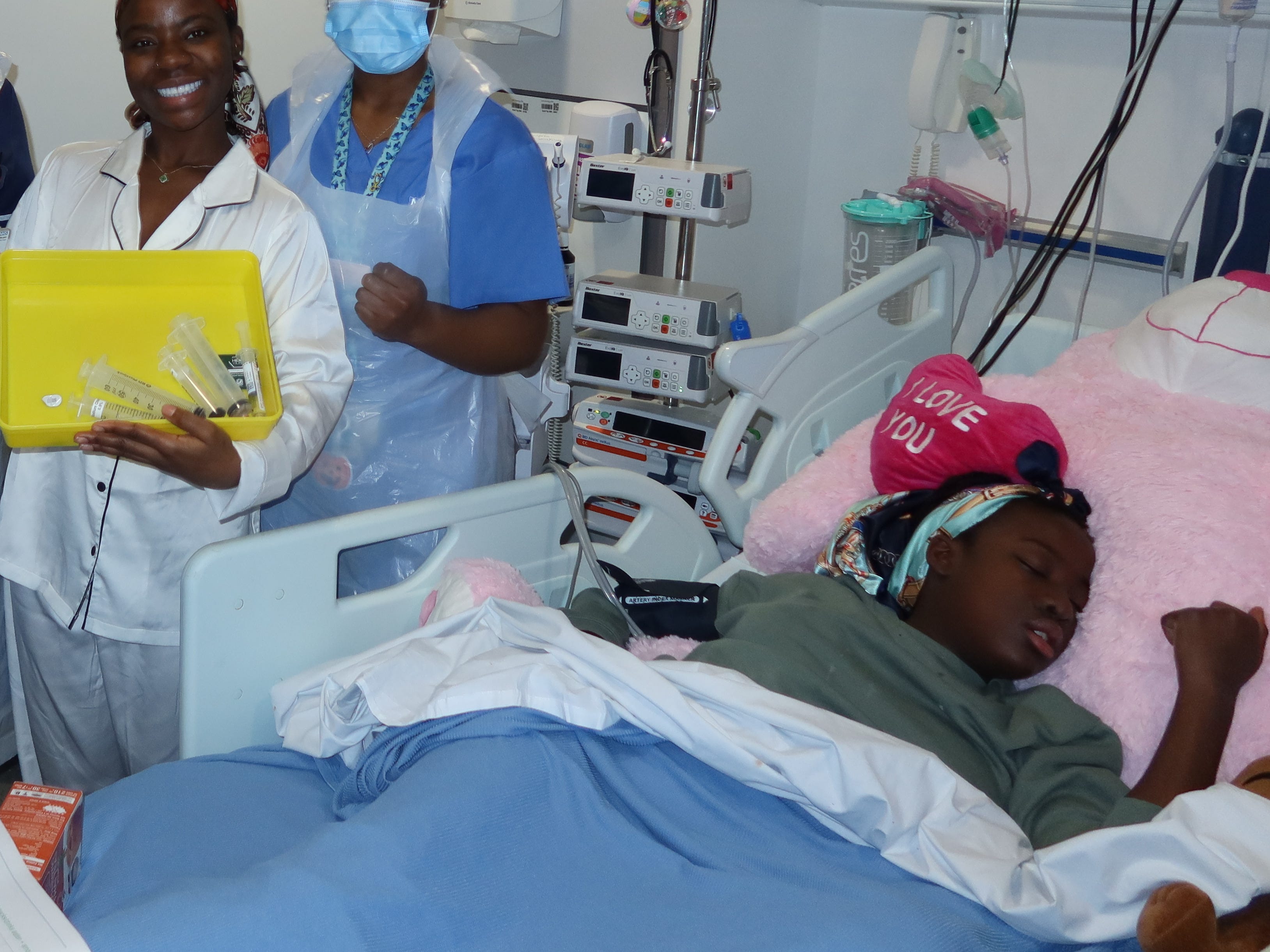
Sayo said: “Before we went in for the chemotherapy, I had gotten her hair loc’d because she was really sad about losing her hair. I thought, okay, ‘what can I do to mitigate against this, just to bring her some sort of comfort?’
“When her hair started falling out after the chemotherapy and after the transplant itself, then we cut it and I gave it to her loctician to look after.
“Once her hair does start growing back, she can just reattach the knots.”
As well as taking care of Rebecca’s physical health, Sayo says she wanted to ensure her mental health was strong as her sister spent Christmas day in the hospital.
Rebecca said: “I was telling Sayo about how I wanted a big Christmas before the transplant started and she made it come true and it was the best Christmas ever. I had the best Christmas in hospital. It was so nice.”


Prior to the transplant, Rebecca had spent six years travelling a long distance to hospital where she underwent blood transfusions every three weeks to treat the disease.
As well as experiencing side effects from hydroxycarbamide, a medication she was also given - the idea of having a bone marrow transplant and being free of sickle cell became a serious goal.
After testing for bone marrow compatibility, Sayo who is one of six living siblings was found to be the “perfect match” for Rebecca out of the whole family including their parents.
A year later on December 5, 2025, she underwent the surgery to extract her bone marrow at Hammersmith Hospital in London - an experience which left her feeling a range of intense emotions.
Speaking to The Source, Sayo tearfully shared how her thoughts turned to her late sister Elizabeth before the procedure.
Sayo said: “My sister Elizabeth rarely was in hospital. She didn’t have many crisis episodes. She was a very introverted girl. A very gentle soul. Very beautiful. Very caring. Very quiet and very empathetic. Just honestly, I miss her every day.
“It’s just been a lot to be honest with you. Just grief, optimism, fear, anxiety, dread, joy. I’ve felt just about everything.”
Sayo says the fear of losing another sister to sickle cell has been “crippling” but that she would do everything in her power to prevent it from happening.
The sickle cell advocate said: “Ever since my sister died and then obviously my sister Rebecca having all these years of crisis episodes, it was difficult. Rebecca would have [episodes] so frequently but sporadically at the same time, and so it was difficult to anticipate.
“[After surgery], I think I just kind of held onto the hope of my sister recovering and this being a step in the right direction as painful, as intense, and as volatile as it is.”
Overall, Sayo says her little sister’s sense of humour is what got them through the difficult moments.
She said: “She has a very, very amazing sense of humour. Laughter has been something that has really helped us.
“Because of how close we are, because of our relationship, we have a lot of private jokes that really helped.”
Now, since being discharged, Rebecca will have two appointments per week to test her blood to know whether the transplant is continuing to work successfully.
But so far, her body has reacted well to the treatment.
As she embarks on the road to recovery which could take a year according to the NHS, Rebecca says that as soon as her Hickman line which administers medication is removed, she hopes to jump straight into a swimming pool but also that her story will inspire others not to be afraid.
Rebecca said: “If I could speak to people who are worried about getting a bone marrow transplant, I would just tell them to look on the bright side and think about not having to visit the hospital anymore. Not having to be in pain. Being able to do things you weren’t able to do before, to run for more than ten seconds without being out of breath. Just being like the rest of the kids who are able to do things you aren’t able to do.
“Once I get my Hickman line off, the first thing I’m going to do is swim.”
If you are interested in joining the stem cell register, click here to find out more.
What an incredable story of sisterhood and hope - bone marrow transplants really are transformative for sickle cell patients when we can find matches. The way Rebecca's journey shows both the brutal reality of the treatment and the profound relief of potentially being pain-free is just so powerfull. I worked with a sickle cell patient last year who was considering a transplant and seeing success stories like this makes all the difference in their decision-making process.