
'Sudan is the world's largest humanitarian crisis but our families can't join us in the UK'
This story contains details of sexual assault that readers may find distressing
Thank you for reading The Source which was founded by awarded journalist Melissa Sigodo. The Source delivers independent journalism, telling stories from the Black community in the UK with a huge emphasis on community. This week’s story is a special report on the war in Sudan where The Source spoke to Sudanese Brits whose families have been affected by what is now the world’s largest humanitarian crisis. Stories like this are often underreported, but The Source which is Black woman-led is on a mission to make sure that you get the stories that matter.
For the next two months, we are on a mission to reach 300 paid subscribers to help us keep going. As an independent outlet, we are only backed by our paid readers who value the work we do. If you haven’t yet subscribed, click below and help us reach our goal in order to continue shedding light on the Black community and holding power to account.
This story contains details of sexual assault that readers may find distressing
‘Sudan is the world’s largest humanitarian crisis but our families can’t join us in the UK’
Children as young as one have been sexually assaulted and mothers have been gang-raped in front of their families, according to human rights organisations.
STORY BY MELISSA SIGODO
FEBRUARY 16, 2026
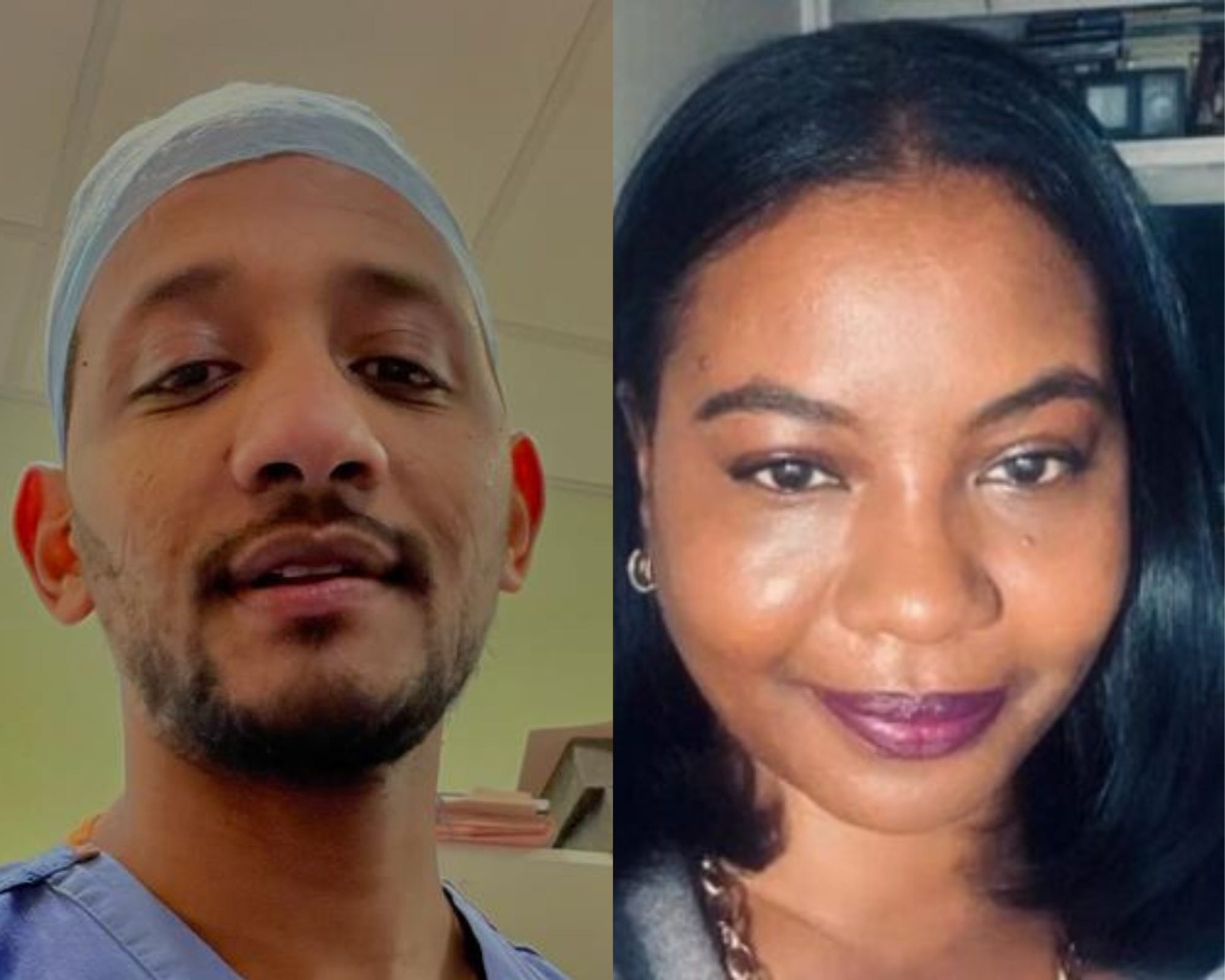
Brits whose families have either fled or remain in Sudan amid the civil war say they are “devastated” to hear reports of rape and abduction while their relatives are still blocked from coming to the UK.
The conflict which began in April 2023 following a power struggle between the country’s army and a paramilitary group known as the Rapid Support Forces (RSF) has now become the world’s largest humanitarian crisis leaving 33.7 million people in desperate need of life-saving aid.
More than 150,000 people have been killed while children as young as one have been sexually assaulted and mothers have been gang-raped in front of their families, according to grassroots networks workers and human rights organisations.
Furthermore, Human Rights Watch claims that the RSF is committing genocide against the Massalit people and other non-Arab communities.
But now nearly three years since the war began, Briton’s whose families remain in Sudan or were forced to flee to neighbouring countries say that immigration lawyers tell them “don’t even try” applying for relatives to join them in the UK.
With no dedicated visa scheme for those facing the world’s fastest displacement crisis, Sudanese people fear either being killed, dying of starvation or carrying the paralysing trauma brutal sexual assault.
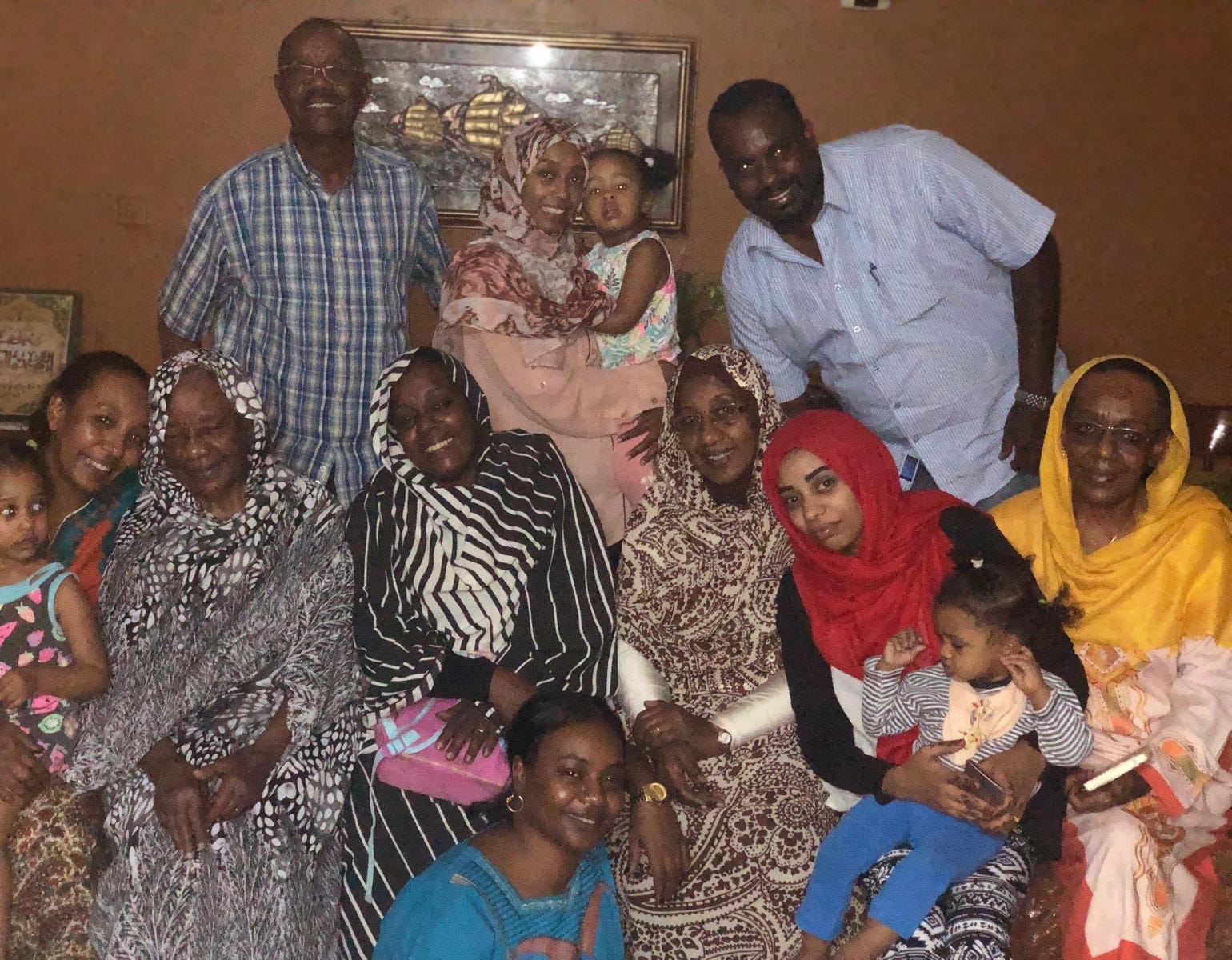
Selma Taha who grew up in the Sudanese capital of Khartoum before moving to England says that her aunts and cousins could smell dead bodies when fighting intensified at the start of the war before they finally fled to Egypt.
With reports of rape being used as a weapon of war according to the UN, the co-director of domestic abuse charity Southall Black Sisters says Sudanese women and girls’ bodies have “become war zones.”
Speaking to The Source, Selma said: “Women and girls were getting raped and gun raped, abducted and sexual slavery is taking place.
“We’ve heard how young women are committing suicide after they’ve been raped because they just cannot live with the shame and especially when it’s been systematically done in front of fathers, brothers, mothers and children.
“I lived in Sudan when I was a little girl. It’s very sad to see what’s happening and to see what’s happening to people because they are people at the end of the day.
“Sudanese women, and girls’ bodies have become war zones and crime scenes.”
Selma says that although her family is now in Egypt they are unable to find jobs due to their immigration status.
She said: “Having to flee the country was expensive and living in these countries is expensive. As well as and not being able to find any jobs or not having a status to be able to work. So, it’s really that they just living day to day.”
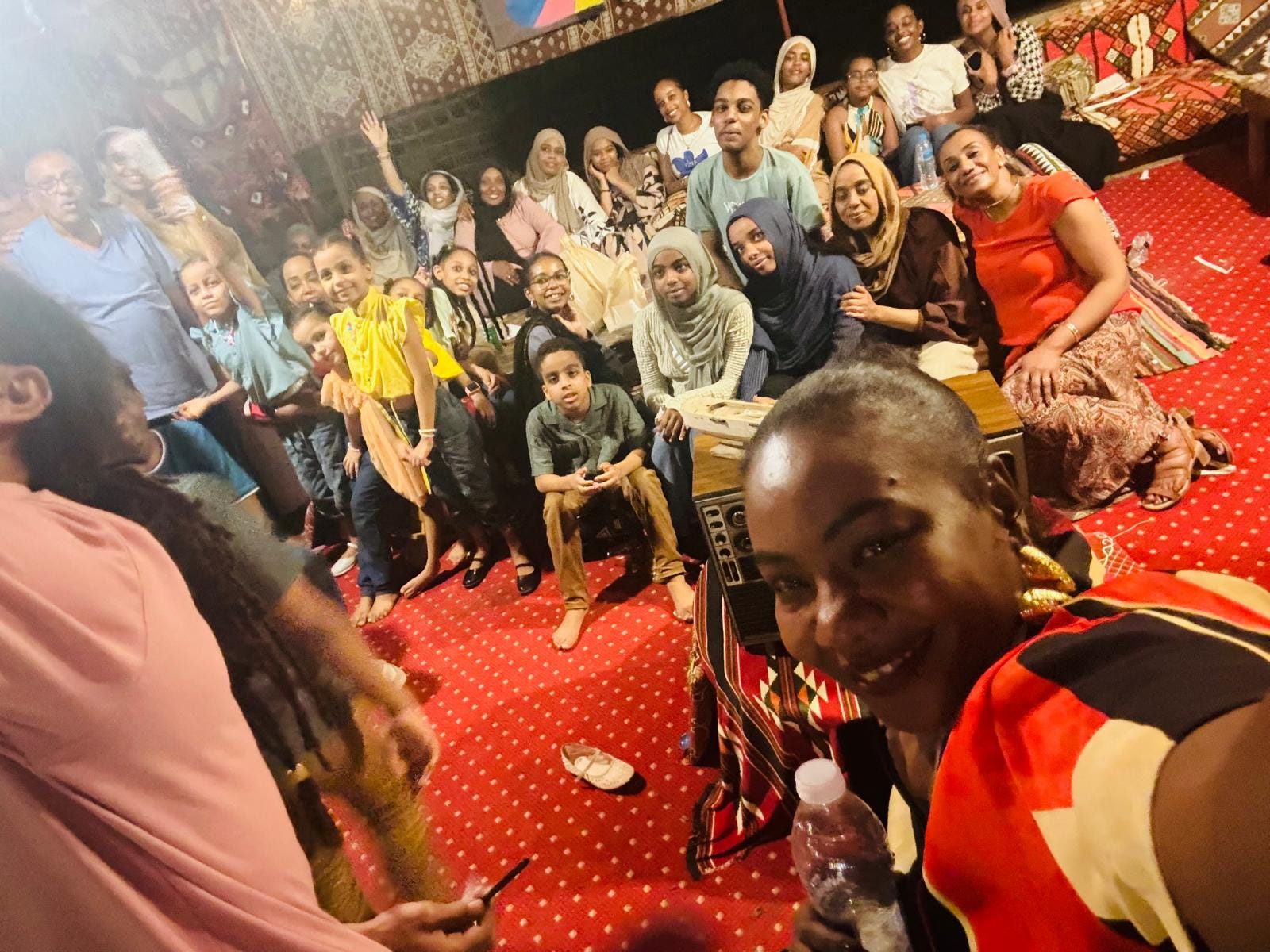
Since the war broke out, NHS consultant Hisham Elfaki has been working to get his elderly mother to join him in the UK.
At nearly 80-years-old with severe arthritis, Zeinab travelled through the Sudanese desert to make it to Egypt when the fighting began.
But for almost three years, she has been stuck in the neighbouring country while Hisham spends all his annual leave flying back and forth from Sheffield to visit her.
Although she is solely reliant on him, the consultant says he cannot get a dependent visa for her to come to the UK.
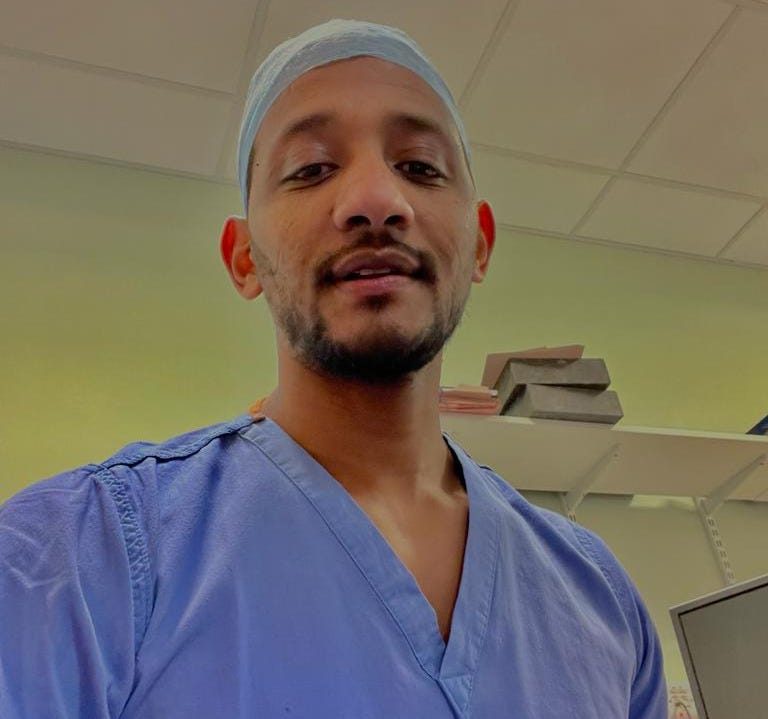
Hisham said: “My mum is still in Egypt. My sisters is living with her now but it’s still quite difficult as two females on their own in a new country. So, I tend to travel there quite a lot.
“I just send the rent from here and all of my annual leave I spent going to Egypt.
“They’re the lucky ones. They’ve not been killed or raped so, I’m grateful for that.”
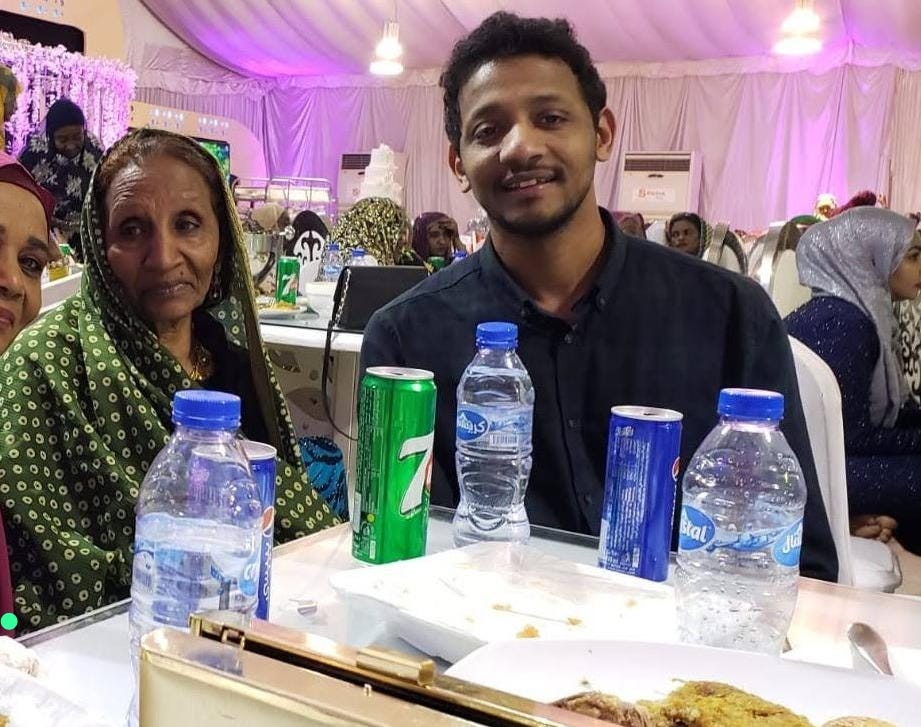
Hisham says as well as worrying about his mother, he also still has other family members stuck in Sudan.
He said: “I still have a lot of family in Sudan. Most of whom used to live in Khartoum and they moved to villages that are in the north, so not far off the Egyptian border.
“But you’re not able to go into Egypt because the regulations and visas and stuff, it’s quite tightened. So, it’s quite hard to apply to get into Egypt.
Hisham says he has tried to apply for his mother to join but immigration lawyers say “it won’t work.”
He said: “The solicitors said, ‘don’t even try.’ I was trying for a visa as my mom is basically a dependent. She’s elderly and I am the person who is able to provide that care for her. My sister doesn’t have any source of income.
“It’s very frustrating that there hasn’t been any proposals for family union schemes unlike when the conflict started in Ukraine.
“This is despite Sudan being the worst humanitarian crisis in our lifetime.”
Although the UK government says it believes in protecting women and girls, Selma says that protection is ‘selective’ and that the UK government and media has “stood by” while women and children have suffered.
She said: “You have the war in Congo. You look at Gaza. I just go back to which women and girls are we talking about?
“The consequences of there being little media coverage and international attention could be that we start pitting oppression against each other.
“We should absolutely be speaking about every country, every war, every place where there is devastation. But not as distractions and not as pitting them against each other.
“We have to centre the people in these situations, the women, children, elderly and the most vulnerable.”
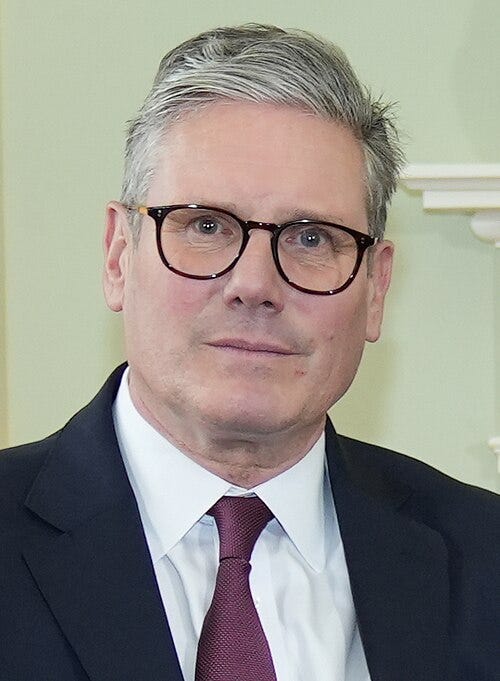
The United Arab Emirates (UAE) has been accused of arming the RSF in the resource-rich country which has vast amount of oil and gold – an allegation it denies.
As well as these accusations, it is claimed that British-made military equipment has been found in Sudanese battlefields and may have been supplied by the UAE, according to The Guardian.
Hisham who also grew up in Sudan before coming to the UK says he is horrified by the allegations and that he is “distressed” that the RSF has not been designated a terrorist group amid claims of war crimes.
Hisham said: “It’s horrifying. It’s awful. There’s no words that can describe when you see people who are some of the nicest, the kindest, the people who just want to live.
“You see them being massacred in groups. Being asked to make their own graves and bury themselves alive. Mass rapes, mass murders, and the sad thing is the people who commit these crimes take pride in filming them.
“They know it’s all out there for the whole world to see, and yet nothing happens about it, and that’s the distressing bit about it.
“When people are massacring and raping Africans it just doesn’t seem to matter as much. You don’t see countries designating [those allegedly responsible] as terrorists. All you get is words of condemnation, and then that’s it.”
A UK Foreign Office spokesperson said: “Less than a week ago the Foreign Secretary stood at the Sudanese border and made clear that the war in Sudan is the worst humanitarian crisis of this century. The Foreign Secretary is using every lever at her disposal to end this senseless conflict and force the international community to prioritise Sudan.”
“We take very seriously allegations that UK-made military equipment may have been transferred to Sudan in breach of the UK arms embargo. To be clear: there is no evidence of UK weapons or ammunition being used in Sudan.”
Help Us Reach Our Target
With your help, you can help us reach our target of 300 paid subscriber to keep The Source going and to continue to shed a light on the dark and hold power to account.