
Sickle cell patients left "freezing" and in tears weeks after warning over dedicated unit's closure
Patients say they are 'disgusted' and 'angry' after warning that they would suffer and some would even die if the unit closed.
Thank you for reading The Source which was founded by awarded journalist Melissa Sigodo. The Source delivers independent journalism, telling stories from the Black community in the UK with a huge emphasis on community including the one you are about to read. Stories like this are often underreported, but The Source which is Black woman-led is on a mission to make sure that you get the stories that matter.
For the next month, we are aiming to reach 300 paid subscribers to help us keep going. As an independent outlet, we are only backed by our paid readers who value the work we do. If you haven’t yet subscribed, click below and help us reach our goal in order to continue shedding light on the Black community and holding power to account.
The Source Exclusive: Sickle cell patients left “freezing” and in tears weeks after warning over dedicated unit’s closure
Cold temperatures exacerbate sickle cell but one patient says she was placed in a “freezing cubicle”, while another says nurses questioned the severity of their pain and delayed giving medication.
STORY BY MELISSA SIGODO
FEBRUARY 24, 2026
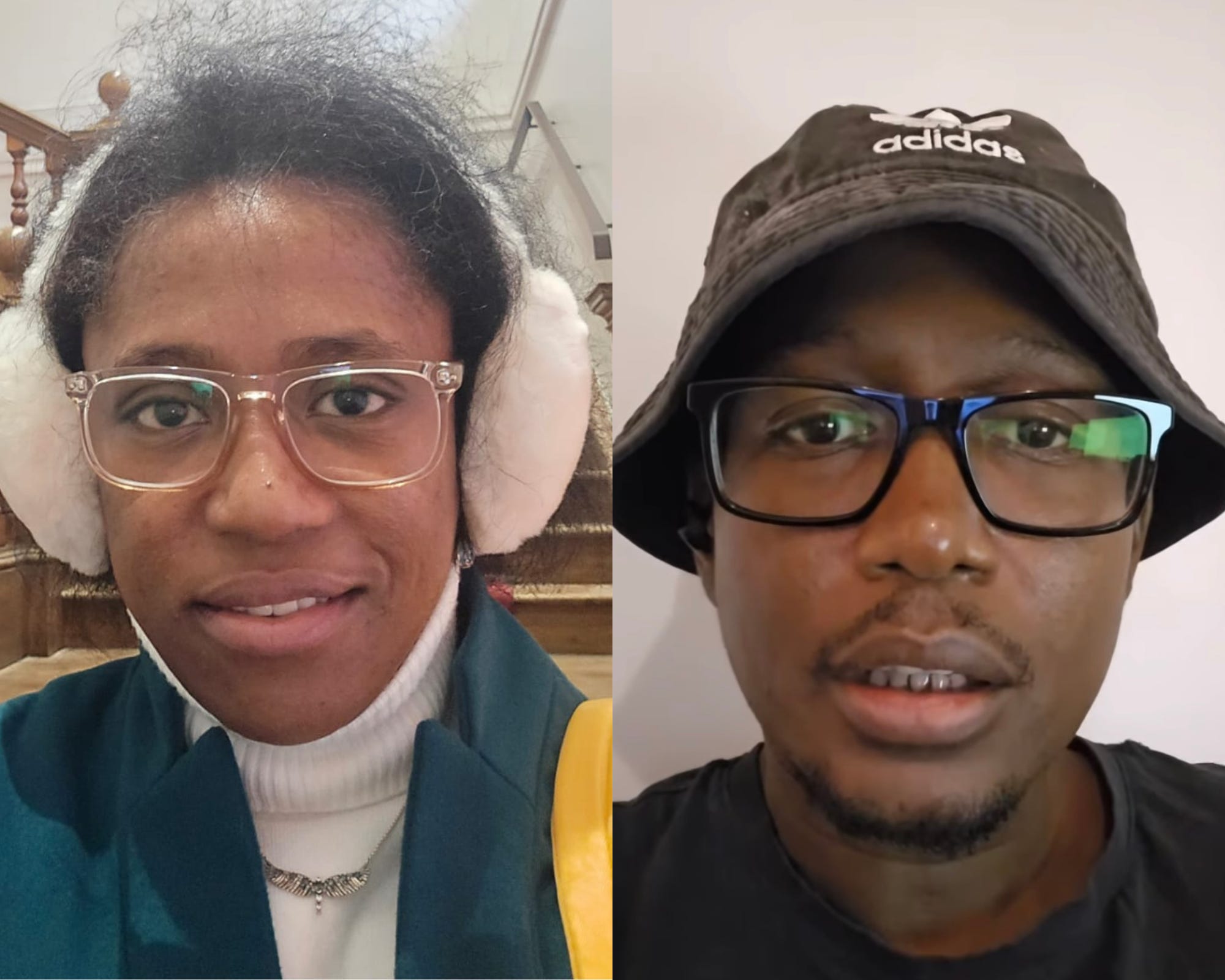
Sickle cell patients have been left ‘angered’ and in tears after facing painful delays in treatment and being forced to sleep in a “freezing cubicle”, following the closure of a dedicated emergency care unit.
After a six-month pilot, the Royal London Hospital’s Sickle Cell Patients Emergency Care Day Unit in Whitechapel, London, closed its doors a month early in January this year, despite warnings over A&E waiting times and even fears of potential deaths.
Sickle cell is an inherited blood disorder that predominantly affects people of African and African-Caribbean origin. It produces unusually shaped blood cells which cause painful episodes known as sickle cell crises that require urgent care as complications can be fatal.
But following calls for the facility to remain open as previously reported by The Source, the Royal London Hospital pressed ahead with plans to close the unit, with Barts Health Trust releasing a statement saying it ‘recognised the strength of feeling’ and that there would be no change to the management of sickle cell.
However, now weeks since the pilot ended, patients in “excruciating” crises say they are now treated as an “afterthought” and have been forced to endure staff ‘forgetting’ to give pain relief, as well as having to spend 12 hours on chairs in hospital corridors used as “makeshift treatment zones.”
But to add to their agony, those who have had to suffer say they are “disgusted” and that their experience would have been “completely avoidable” if the hospital had listened and kept the unit open.
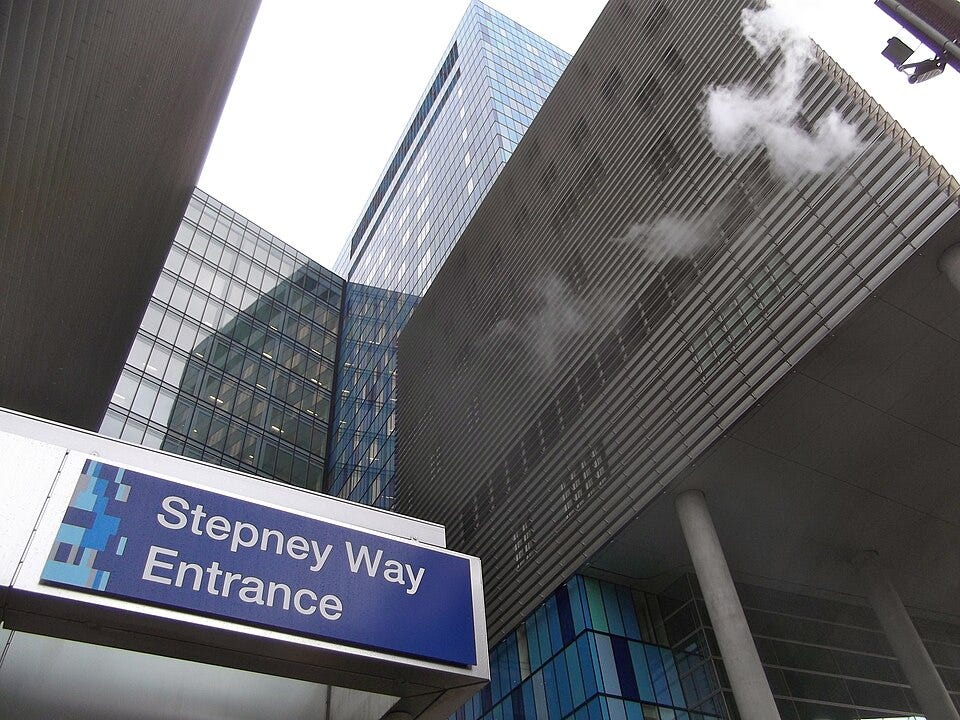
Cherly Hylton, 44, says that after receiving ‘corridor care’ without ‘privacy or dignity’ for her sickle cell crisis on February 4, she was then moved to a “freezing cubicle” and left crying with air conditioning blowing down on her body which she says further exacerbated her condition.
The biomedical scientist says that it wasn’t until 3am that she was transferred to a ward bed but that the damage had already been done and as a result, she says she was hospitalised for two weeks causing her to lose out on pay from her contracted job.
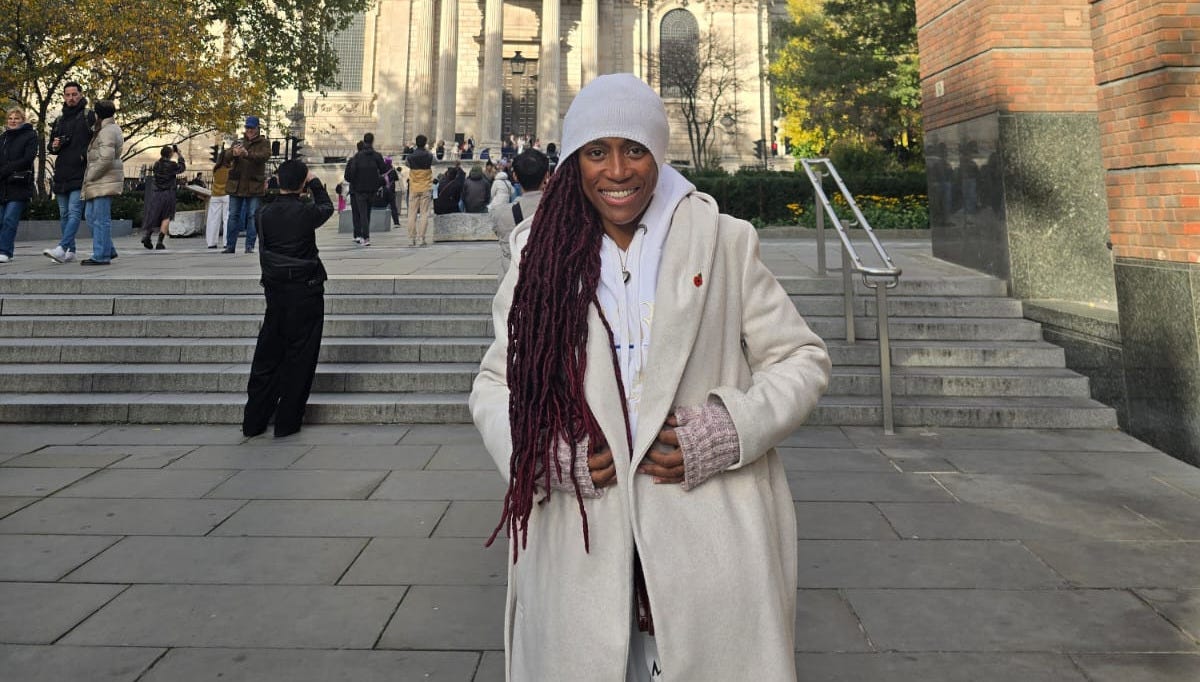
Speaking exclusively to The Source, Cheryl said: “I was freezing. I was shivering. I was crying in pain, tossing and turning. I did not sleep the whole time I was there.
“I was moving about on a trolley that’s so hard.”
The 44-year-old says that according to her treatment protocol, she was meant to receive her pain medication every hour but that she had no choice but to wait double the time as she says that staff said they had “forgotten” about her.
After spending her life in and out of hospital due to sickle cell, Cheryl says she believes she would have been treated differently ‘if she was white.’
Cheryl said: “There is always that, ‘oh, I’m so sorry, we got caught up. We got so busy.’
“Some nurses have even told me they forgot.
“It makes me feel a little bit like I was an afterthought. Like I wasn’t a priority.
“I had to sit in the chair even though I had pain in my legs, pain in my back, pain in my stomach, and my shoulders, and I was still treated in the chair for many hours.
“It was excruciating. It’s very hard to stand, number one, and it was very hard to walk number two. So, sitting in the chair just made it worse.
“If I was white with sickle cell then I’d be treated with kid gloves.”

Cheryl says that as a child, she didn’t want to believe that she was being treated differently because of her race but that over time, she believes this is the case.
She said: “I didn’t want to believe that growing up because I felt like, ‘why should my skin tone be the reason as to why you’re not treating me with any respect?’
“But I’ve seen how paramedics treat white patients compared to how they treat Black or Asian patients. I’ve literally seen the difference.
“Now that I’m older and I’ve observed more, I do believe there’s an element of racism there.”
Cheryl says there was previously a permanent sickle cell day unit at the Royal London Hospital before it was shut after the Covid Pandemic due to funding - a claim the Department of Health and Social Care declined to address.
When the six-month emergency unit was then introduced in September 2025, sickle cell patients expressed how they felt the pilot wasn’t necessary and that it should have been permanent from the start to replace the one previously closed.
But one man, Delo Biye who is campaigning for a permanent facility has launched a petition which has now reached over 44,000 signatures.

However, while fighting for others to receive better care, he says he has already personally experienced the consequences of the dedicated facility’s closure after he was forced to spend 12 hours in a hospital corridor.
Delo said: “I think it’s disgusting. I’m just angry. I’m scared because of how angry I am. Anger is another trigger for my sickle cell crises.
“The unit is an absolute need because A&E is cold. They already know this is a trigger for people with sickle cell. They need to be warm. So, from that point already we’re in the negative situation, and then not be treated on time.”
“This is all completely avoidable.”
As well as having to wait half a day for a bed, Delo says that nurses doubted the severity of his pain when he asked for medication.
He said: “Nurses will say, ‘are you sure you’re in pain?’ Or then they start questioning, ‘where is the pain?’ Or they’ll say let’s wait and see if one tablet works before giving me the real strong pain relief. They want me to wait another 10, 15 minutes on top, when it’s already hard enough to get every two hours in the first place.”
Delo says that the process of going through A&E instead of the dedicated unit will deter people from coming in when they have a crisis. As a result, he says he believe people will die at home.
The Source contacted the Department of Health and Social Care for comment on the funding of a dedicated unit but they did not wish to respond and instead referred us to the local Trust.
When The Source approached Barts Health Trust who then cited a previous statement which had been updated to include that the pilot had concluded due to the expiry of the “agreed funding from the North East London Integrated Care Board had expired” and that they are responsible for making decisions on how to best commission services.
The North East London Integrated Care Board then told The Source they were not in a position to comment before the story was published.
Help The Source Reach our target
With your help, you can help us reach our target of 300 paid subscriber to keep The Source going and to continue to shed a light on the dark and hold power to account.
This is a backwards step for treating people living with sickle cell disorder. This needs to be addressed asap.