
Sickle cell lifeline hospital "recognises strength of feeling" over unit closure but WON'T stay open
The hospital has now released a public statement but campaigners say they are "not happy" and that the unit must remain open
Thank you for reading The Source which was founded by awarded journalist Melissa Sigodo. The Source delivers independent journalism, telling stories from the Black community in the UK with a huge emphasis on community including the story you are about to read. Stories like this are often underreported, but The Source which is Black woman-led is on a mission to make sure that you get the stories that matter.
If you haven’t yet subscribed, click below. You can also support this crucial work by upgrading to a paid subscription for £5 a month so we can continue to shed light on the Black community and hold power to account.
The Source Exclusive: Sickle cell lifeline hospital “recognises strength of feeling” over unit closure but WON’T stay open
With less than two weeks till the unit is set to close, patients are filled with fear of being forced to return to “A&E hell”
STORY BY MELISSA SIGODO AND ARIKE IDRIS
JANUARY 21, 2026
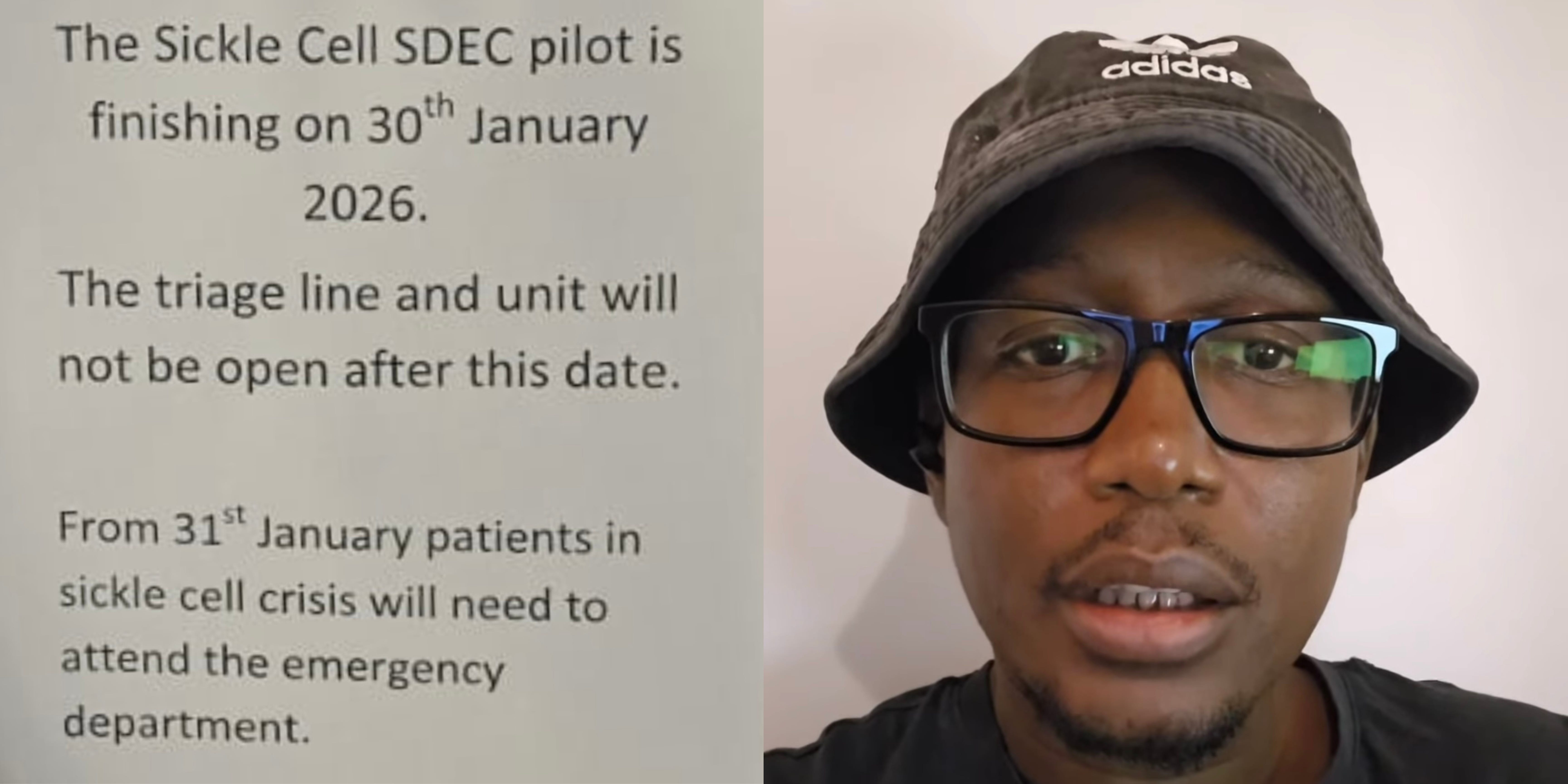
The NHS hospital trust at the centre of a sickle cell unit’s closure has released a statement following The Source’s story on the fight to keep it open.
On Monday, we reported on the Royal London Hospital not keeping their dedicated emergency facility open following the end of its six-month pilot.
Despite calls from campaigners to continue the trial, a petition which has now reached over 25,000 signatures and patient fears of returning to “A&E hell” - the hospital said at the time that it was instead focussing on evaluating the trial to “shape future plans.”
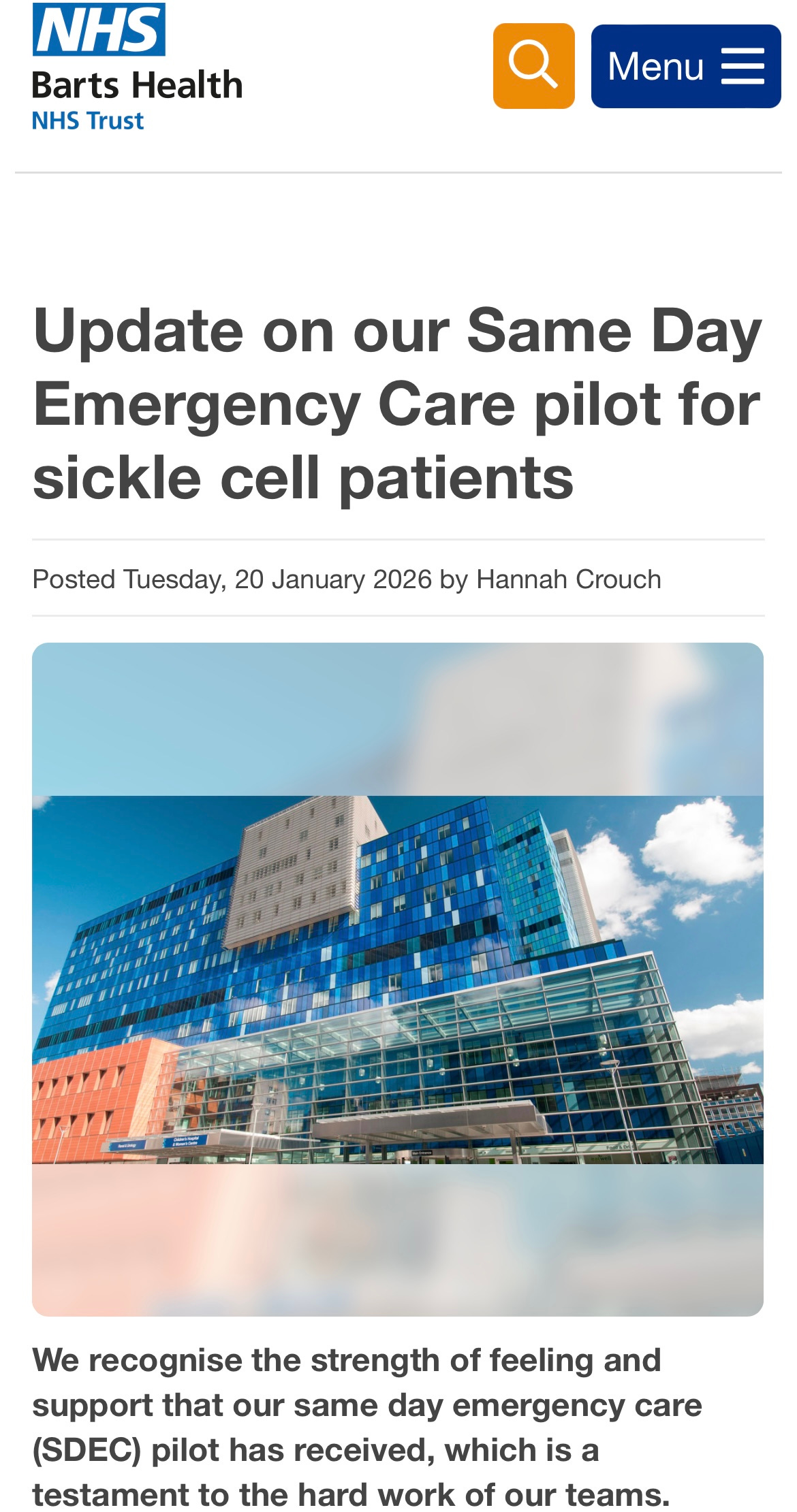
Now, following this publication’s story, Barts Health NHS Trust has for the first time released a public statement acknowledging the “strength of feeling” the unit’s closure has received.
However, in another blow to patients and campaigners, the trust maintains that it will proceed with ending the pilot as planned by January 30, to “evaluate its impact and plan more robustly for future services.”
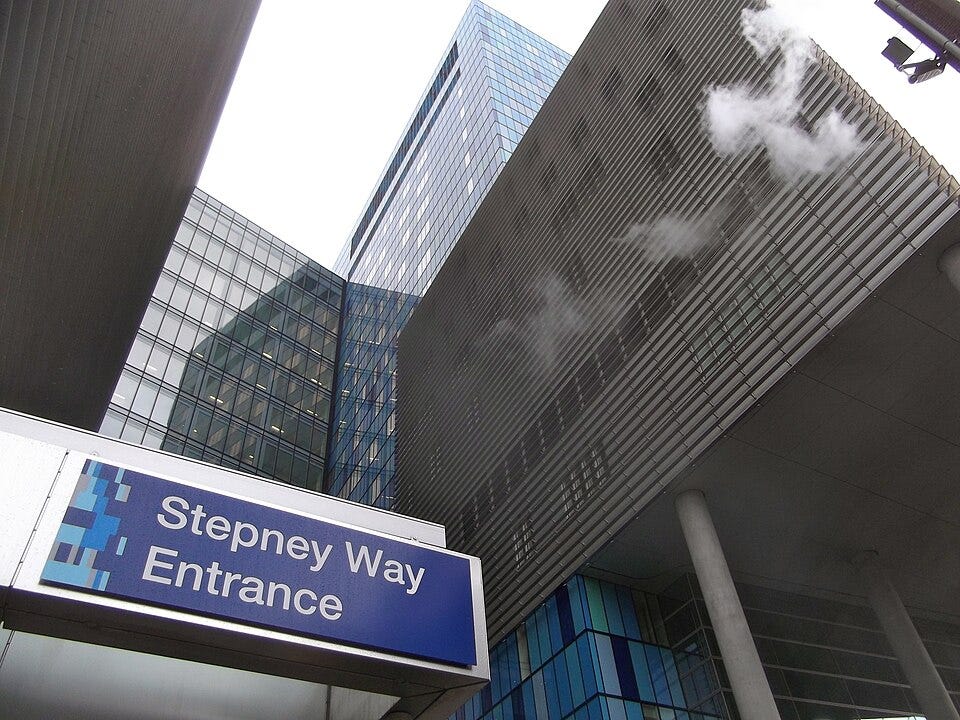
But, despite the disappointment, advocates as well as petition organiser Delo Biye say the hospital must make a U-turn on their decision.
With now less than two weeks till the unit is set to shut, campaigners say they do not feel reassured and are instead filled with worry over patients being forced to go through A&E when in a potentially life-threatening sickle cell crisis.
In the statement, Barts Health Trust said: “We recognise the strength of feeling and support that our same day emergency care (SDEC) pilot has received, which is a testament to the hard work of our teams.
“Funded by the North East London integrated care board, it involved testing an alternative route for treating emergency patients with sickle cell disease who were experiencing acute pain. This was alongside the normal route of being treated through our A&E.
“We did this so we could evaluate its impact and plan more robustly for future services. The pilot ran from September 2025 to the end of January.”
The hospital’s statement went on to add that there would be “no change” to the management of sickle cell patient’s care as they previously told The Source, and that they are “committed to improving pathways for the management of pain in patients with sickle cell disease, both acute and chronic, and will continue to welcome input into service design.”
In response to the hospital’s update, youth worker Delo slammed the trust calling it a “statement to appease people.”
He said: “They say they are planning robustly, so does that mean I’m going to sit in my bed more robustly? I’ll have to stay home without a day unit when in pain because I’ll have to wait hours in A&E. It’s not going to change anything.
“That’s a statement to appease people. I’m not happy with that. It’s absolutely important we know what’s happening now.”
Campaigners have raised concerns that A&Es are not equipped to care for sickle cell patients who have reported being made to wait hours while in excuciating pain caused by the disease, as well as horrific cases of preventable deaths highlighted in the parliamentary sickle cell report, No One’s Listening.
Speaking to The Source, Beverly De-Gale, founder of blood cancer and illness charity African Caribbean Leukaemia Trust (ACLT) called the trust’s statement “vague.”
Beverley said: “They need to keep the unit open and show some leadership on this because sickle cell patients have been treated so badly. This does not help. We need to hear more from them.”
“There has been no clear communication to patients or the community about future emergency sickle cell provision. For many, the sickle cell day emergency unit pathway provided the only safe and timely care during acute pain crises, preventing long waits and unsafe treatment in A&E.”
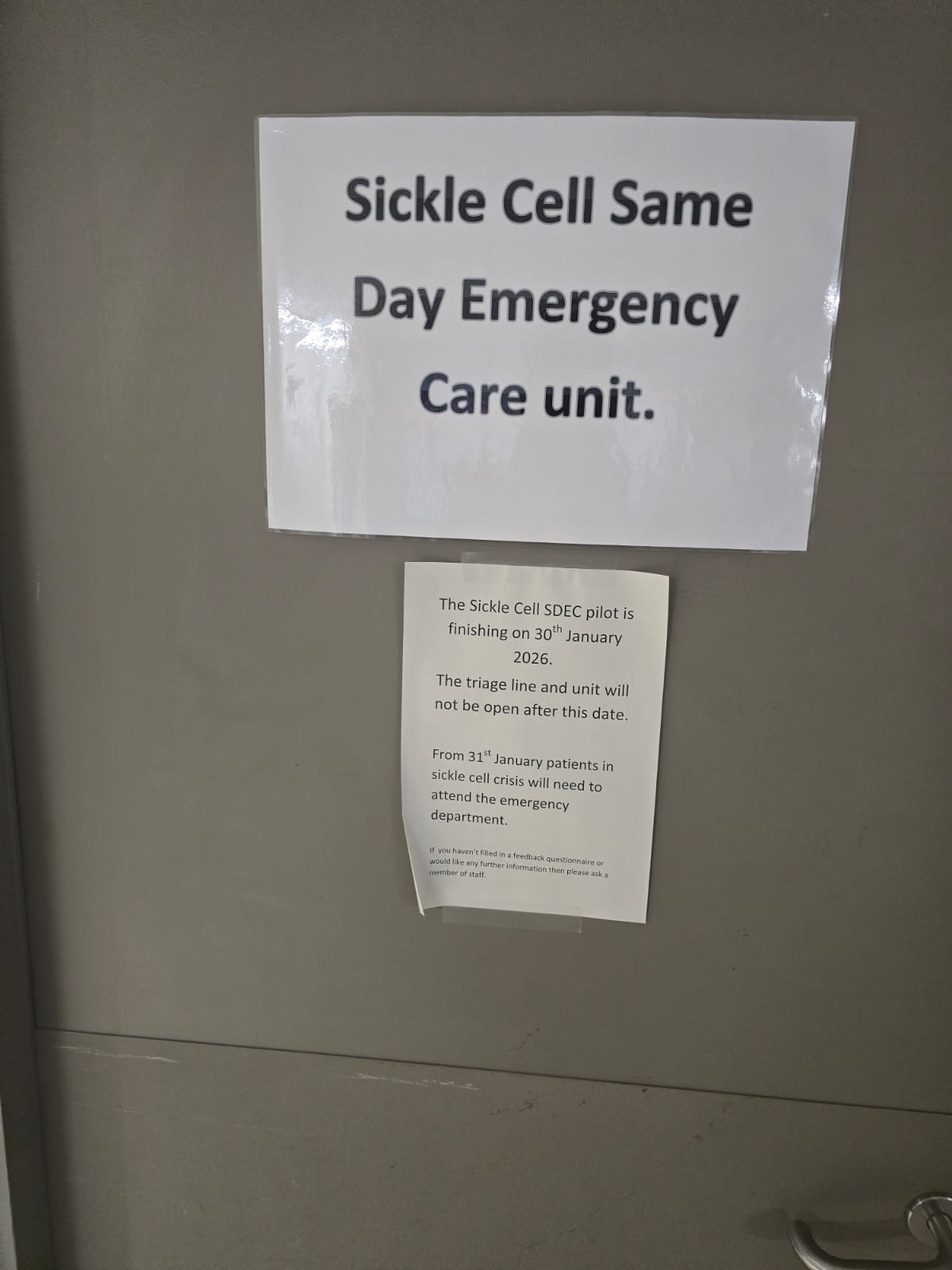
Sickle cell patients at the Royal London Hospital have been greeted by a sign which has been taped onto a door, notifying them that they will need to use A&E as of January 31.
Founder Beverley says she emailed MP for Bethnal Green and Stepney, Rushanara Ali as we previously reported, where she wrote asking the politician to intervene stating that Black people mainly affected by the disease “already face longstanding health inequalities and underinvestment in care” and that losing the unit would “deepen disparities.”
The MP did not respond to our requests for comment.

Beverley added that the hospital’s statement on patient care remaining the same without the unit “did not reflect patient experience.”
She said: “Claims that there is “no change” to sickle cell care do not reflect patient experience.
“The No One’s Listening report documents avoidable harm, delays, and deaths in non-specialist settings and calls for strengthened, not reduced, specialist services.
“While elective transfusion services remain essential, they do not meet the urgent needs of patients in crisis.
“We urge Royal London Hospital and North East London Integrated Care Board to clearly communicate plans, publish an impact assessment, and work with patients to secure a sustainable specialist emergency sickle cell service in line with national evidence.”
For more information about the petition, click here.