
My 9yo son was told ‘Black and white kids couldn't be best friends' - now I've relaunched my flashcards to promote anti-racism
Keasha says that children need to learn about racism and that parents should have 'intentional but light conversations.'
The Source Exclusive: My 9yo son was told ‘Black and white kids couldn’t be best friends’ - now I’ve relaunched my flashcards to promote anti-racism
Keasha says her nine-year-old son was told by another child that they could no longer play together because ‘Black and white children couldn’t be best friends.’
STORY BY ARIKE IDRIS
MARCH 18, 2026

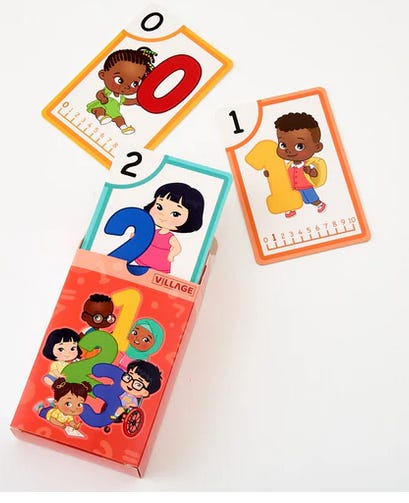
A mother of a nine-year-old boy who was told at school that “Black and white children can’t be best friends” has decided to relaunch her educational flashcards that help to promote anti-racism among children.
Keasha Kwarifa, 32, who had taken a five-year break from selling her early-years representational cards featuring Black characters says her youngest son then urged her to restart the business after his close friend told him that they could not play together because ‘black and white people cannot be best friends.’
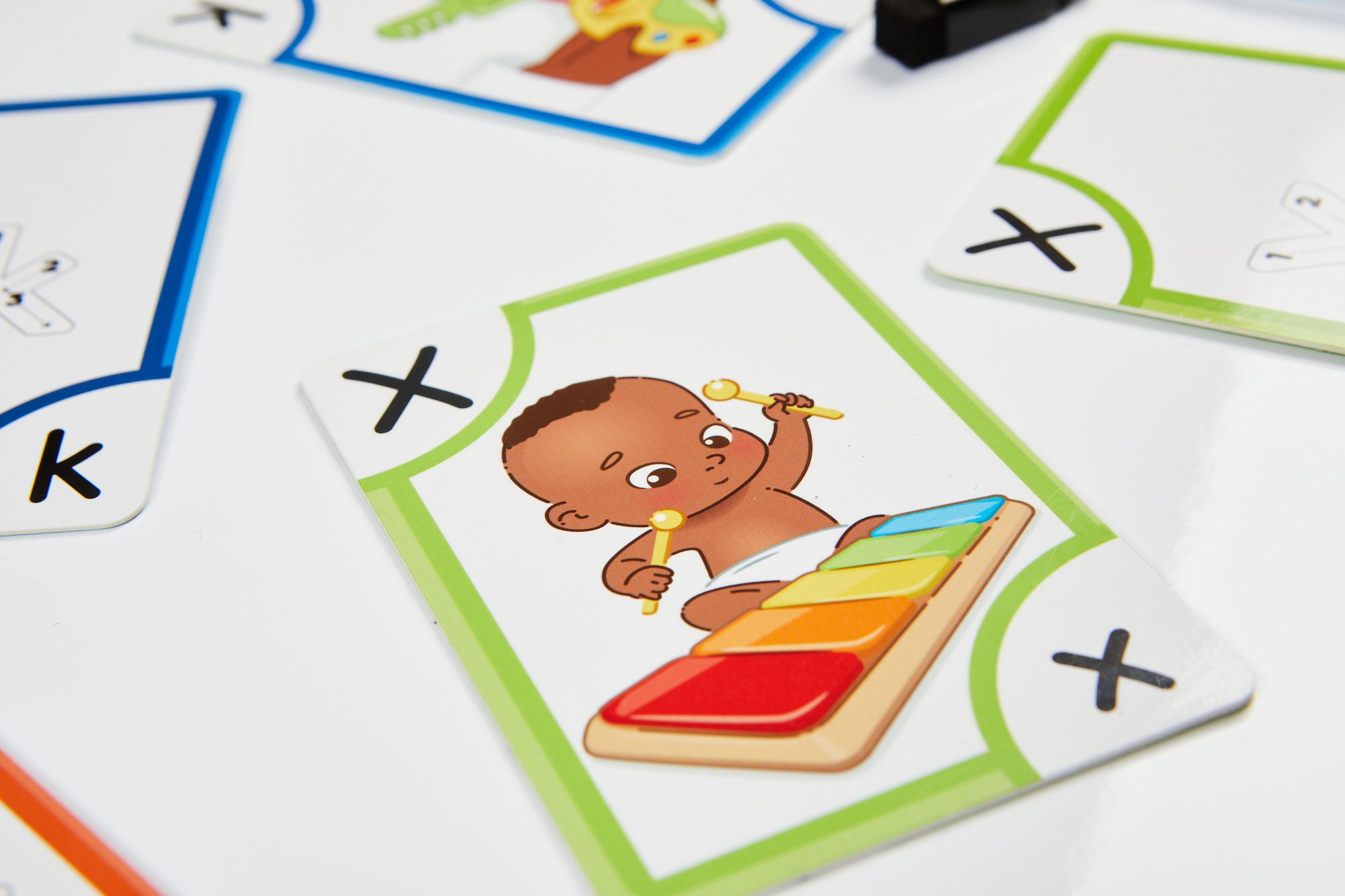
Keasha first launched her flashcards in 2020 under her teaching resource business Village Education to help foster children’s interest in learning by “seeing themselves in their study materials.”
Now following incident with her son last year, the mum-of-two says hopes to “normalise Black, white and Asian children’ playing together with her new flashcards and that parents need to have “intentional but light conversations about racism.”
Speaking exclusively to The Source, Keasha said: “My son actually came home to me and said that one of his very close friends said that they can no longer play with him.
“And I said, ‘why did they say that they can no longer play with you?’
“And he said, ‘they said that they can no longer play with me because another one of their friends said that Black and white people cannot be best friends. They can be friends, but they can’t be best friends’.”
Keasha says that once the child was confronted about their remarks by a teacher after another child reported them, when the pupil was told it was racist, they said they did not know what racism was.
Keasha said: “My son said that his teacher called him and the two people that were involved into a room and said to them that what they said was wrong and racist.
“The child actually asked, ‘what is racist? What is racism?’
“At nine years old, that child did not know what the word racist meant or what it even meant to be racist.
“My son then said to me, ‘mum, that’s exactly why I didn’t tell a teacher because I knew they didn’t know. I think you need to bring out your flashcards again so everybody can see that we’re all one and can be together.’”
In a survey of 567 school and college leaders by the Association of School and College Leaders, 40 percent say that “racist incidents affecting students or staff have increased over the past 12 months compared with the previous year.”
Senior leaders most commonly say that their concerns stem from “tensions fuelled by social media content, anti-immigration rhetoric in domestic politics, and campaigns to display St George’s Cross and Union flags on lampposts.”
They also believe that solutions lie in “stronger government guidance” and resources that can help schools in responding to the issue.
But Keasha who works as a criminal psychologist hopes that her flashcards can also play a role in tackling racism and that following the incident involving her son, her purpose has changed.
She said: “My whole purpose changed and I just felt that it isn’t just for my children to see themselves in their learning resource. It is to normalize black, white, and Asian children all playing together and being kind to one another.
“So, the reason why I started again was so I can give parents and children those resources to be able to implement diversity from home first before children go out to experience the real world.
“Parents can have those intentional but light conversations with their children in the comfort of their own homes, without placing that responsibility on teachers who have 30 children to teach academically.”
The mum has been using her social media by creating videos on racism which have attracted over 100k views on TikTok in the past few months.

She says that although it can make parents feel uncomfortable , children need to be taught that “racism goes hand in hand with bullying.”
Keasha said: “I know that for a long time, racism is not something that people want to teach their children. They don’t want their children to understand what it means because they say things like ‘my child sees no colour’.
“I honestly think that these comments don’t intend to harm. But it does harm them because children are very observant and what we need to teach them is how bullying and racism go hand in hand.”