
Hidden Black History: ‘My mum said Queen Victoria’s godchild was connected to our family - I always thought it was a joke’
The Source wasn’t going to let Black History Month go out quietly.
Thank you for reading The Source which was founded by awarded journalist Melissa Sigodo. The Source delivers independent journalism, telling stories from the Black community in the UK including the story you are about to read. Stories like this are often underreported, but The Source is on a mission to make sure that you get the stories that matter.
If you haven’t yet subscribed, click below. You can also support this crucial work by upgrading to a paid subscription for £5 a month so we can continue to shed light on the Black community and hold power to account.
The Source Exclusive: ‘My mum said Queen Victoria’s godchild was connected to our family - I always thought it was a joke’
It was only when Bayo Adelaja immigrated to the UK from Nigeria that she says she found out her family’s connection to Queen Victoria’s Black godchild Victoria Davies - the daughter of an ‘enslaved African princess’ Sarah Forbes Bonetta.
STORY BY MELISSA SIGODO
NOVEMBER 1, 2025 UPDATED AT 18.22
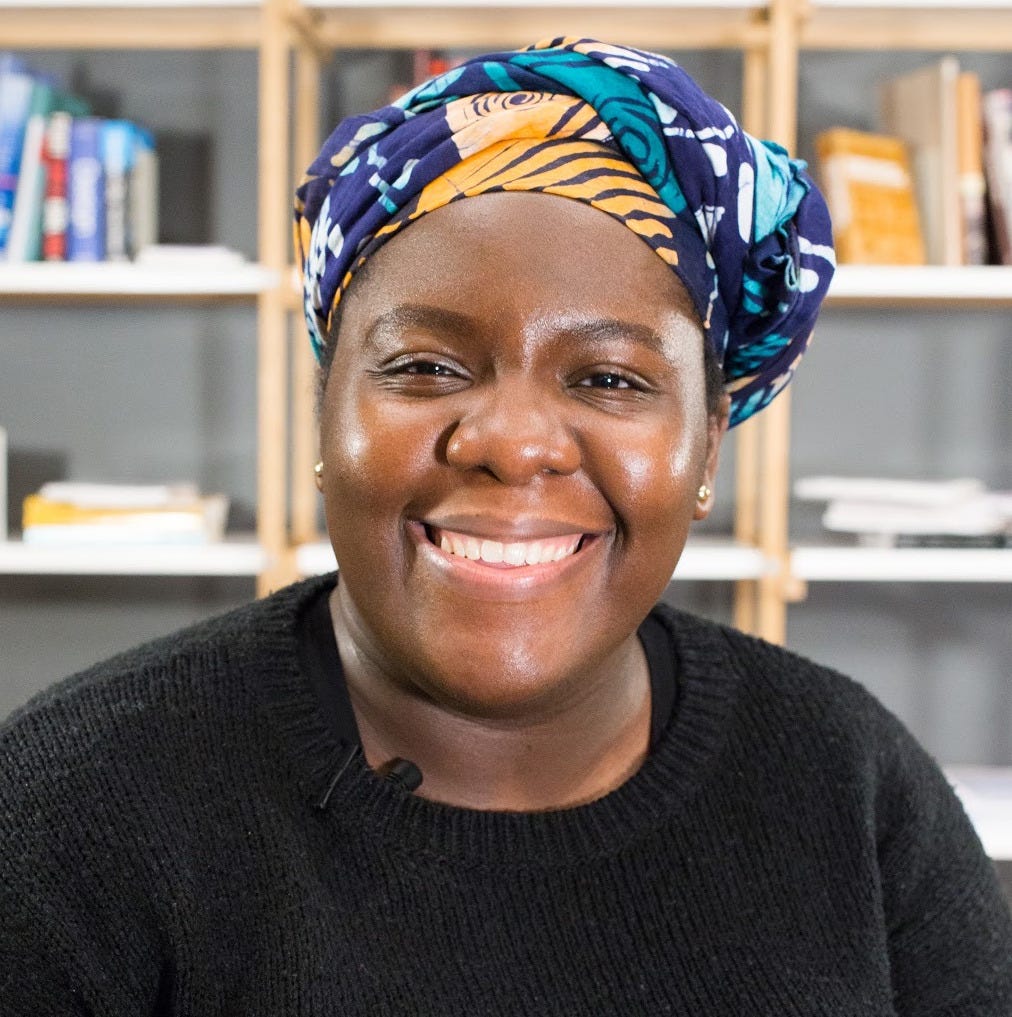
A woman who immigrated to the UK from Nigeria says she was shocked to find out her family’s connection to Queen Victoria’s Black godchild Victoria Davies - the daughter of an ‘enslaved African princess’ Sarah Forbes Bonetta.
Sarah, born Aina in what is now Nigeria was said to be the child of an African chief before her village was attacked by slave-trader, King Ghezo of Dahomy, who killed her parents and captured her.
According to British historian David Olusoga, in May 1850, an officer in the British Navy, Captain Frederick Forbes, visited the West African leader to persuade him to end his part in the slave trade which he refused to do stating that the British had previously traded enslaved people before its abolition in 1833.
During their meeting, as part of the custom of gift giving between the powerful men, Aina was taken as an ‘offering’ to Queen Victoria, despite Britain having declared the practice of owning people was over.
The monarch is said to have ‘taken a interest’ in Aina which resulted in supporting her education, allowing her to spend time at Windsor Castle and later making her a protégé.
After marrying Nigerian businessman James Pinson Labulo Davies, Aina gave birth to a daughter whom she named Victoria Davies who then became Queen Victoria’s godchild.
Now, 35-year-old Bayo Adelaja MBE from Lagos, Nigeria, who moved to Deptford, London, at the age of 10 says that she had believed the story was “completely made up” when her mother would casually mention their family ties to British royalty.
It wasn’t until she attended Saturday school where she came across the name Sarah Forbes Bonetta which led her to discover that Queen Victoria’s godchild was her step-great-grandmother, she says.
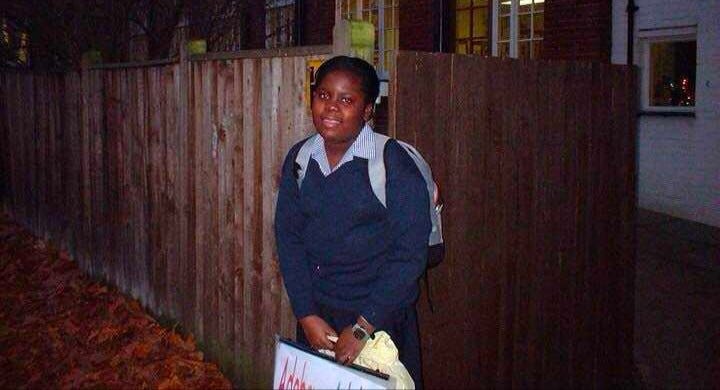
Speaking exclusively to The Source, Bayo whose family left Nigeria after experiencing financial hardship said: “My mum and I were living in a single room with this woman who had a couple of bedrooms for her and her two boys.
“We arrived just a couple of days before Christmas and my mum famously had two pairs of trousers, one jumper and £300 to her name when she arrived.
“The story started showing up around then and I thought it was her way of making us feel better about going from having a lot of financial freedom and wealth, to suddenly being very starkly poor in London with no real connections.
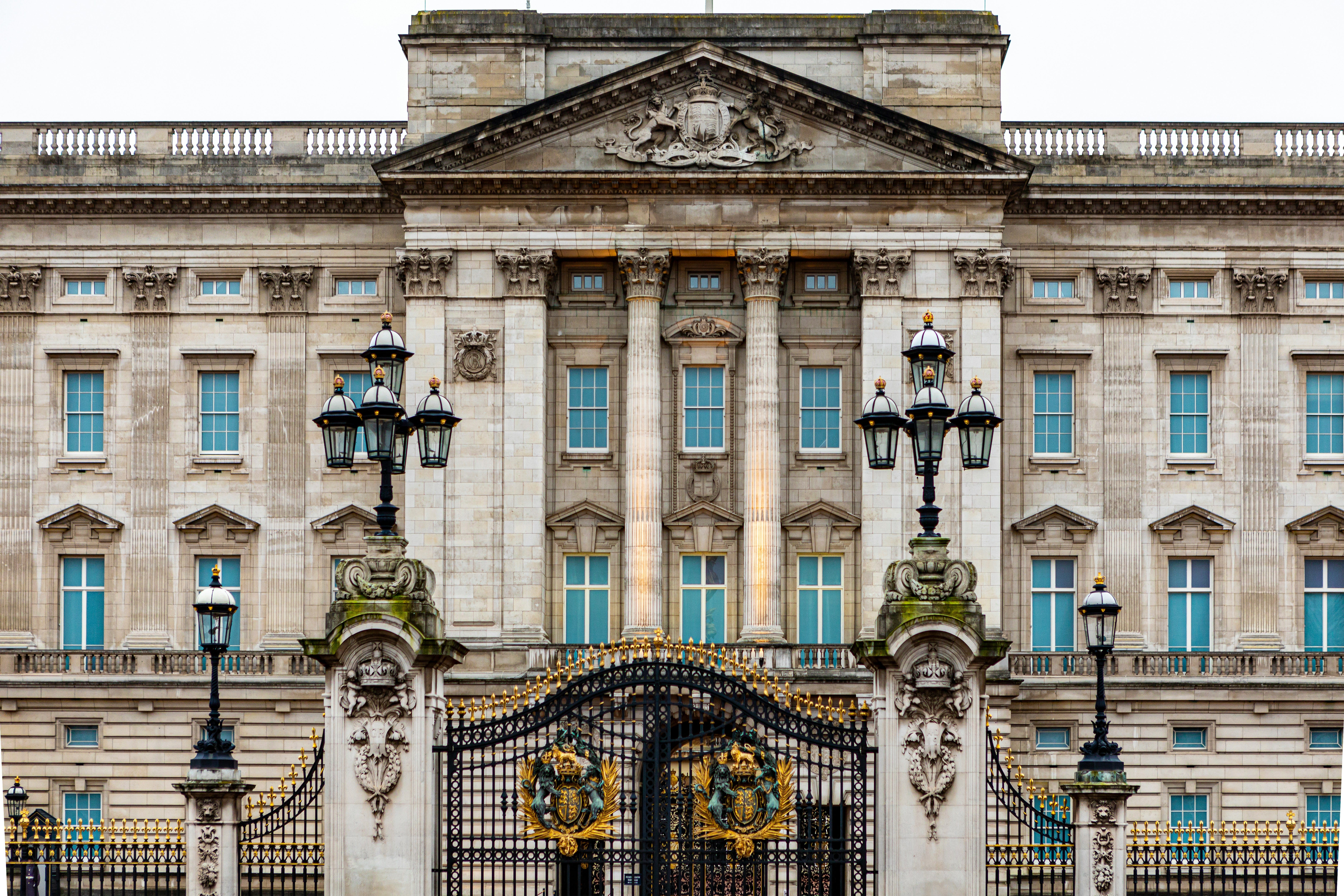
My mum said, ‘if we turned up to Buckingham Palace today, they would help us’, and I’m like, ‘Okay, sure.’ And honestly, I don’t think she believed they would help us either.”
Bayo who is one of two siblings says that as a child, it was only when her mother insisted she attend Saturday school that she then came across the name Sarah Forbes Bonetta and realised she was a ‘real person.’
Bayo said: “I was like, ‘oh wow she’s real.’ So, that was when I started Googling, like, ‘okay, so she existed.’
“Victoria, apparently was a very present mother. Her husband had multiple wives. The multiple wives were not that present or as present as Victoria was, so she took everyone under her wing to some extent.
“My mom’s dad was one of the kids that she took under her wing as one of her stepchildren and that’s how we’re connected.”
Tracing back her lineage, Bayo says that Chief Joseph Kosoniola Randle was her grandfather. He rose to great prominence in Nigeria as a philanthropist who founded the Nigerian branch of the Anti-Tuberculosis Society in Lagos, the disease which Aina had died from.
Bayo says Joseph was born to Dr John Randle in 1909 from a different woman and was then taken in as a stepchild by his wife Victoria Davies, Queen Victoria’s godchild.
Joseph went on to father a child who would be Bayo’s mother Iwalenia Randle, but he died before his daughter turned one, she said. As a result, she and her mother had no pictures taken together with him, she added.
The 35-year-old who is the founder and Chief Executive of racial justice institution Do it Now Now, says that looking back at Aina’s journey, although she lived a life of privilege due her links to the royals, it doesn’t erase that she was still a “slave.”
The founder said: “To be perfectly frank, the context in which she came to the country was as a slave. She might have been a very well-treated slave, but she was a slave.
“I just wonder, maybe they just saw her as this project to socially lobotomise and was she a pet basically? That is what comes to mind and that feels uncomfortable to vocalise.”
Historians says Aina excelled in her education, with Captain Forbes who had brought her to England stating at the time that she was “far in advance of any white child of her age”, according to historic preservation charity English Heritage.
However, her abilities were still scrutinised by the Victorian press, historians say, and Bayo believes this is still the case for Black women in British media today.
She said: “She got picked up as exceptional or “token Black” because she was already extremely skilled at a number of things because she had her own royalty to engage in.
“It wasn’t like [British royalty] was the only royalty that existed and suddenly this “barbarian” is being levelled up into being the palace’s pet project or whatever.
“When it comes to the connection to how Meghan Markle was treated and how Black people are treated in the media every single day, there’s this kind of permissiveness of questioning everything, belittling everything, making it much smaller than it is because you want to feel like you want to maintain that illusion of, ‘I am privileged because I am white.’
“It’s [people like] Diane Abbott, I mean, I don’t particularly want to go down the line, but it’s every [Black woman] that gets into the level of prominence.”


In her own life, Bayo works to create programmes for Black-led organisations to thrive and in 2023, she was awarded an MBE for her outstanding services to social mobility, financial inclusion, and entrepreneurship.
She says that when she visited Windsor Castle to receive the honour it made her reflect on how Aina had also walked the same halls in starkly different circumstances.
Bayo said: “It was weird. Obviously, it was at Windsor Palace but it was weird to think that people that are connected to me have been through these doors.
“There’s all these portraits everywhere and I think that spaces like the royal family can feel daunting. But I think that for me there was just kind of this thought of, ‘I wonder what Sarah’s favourite space was? Or I wonder if she thought these portraits were ugly. Just about existing in the same space and owning part of that history as well as a Black person.”
Bayo says that if she had learned about Aina in school, it would have ‘helped her self-esteem’ which had been damaged when she moved to England from Nigeria.
She said: “I would have gotten a much stronger sense of self-esteem a lot earlier in my life because I was in this country - well I don’t know how it’s changed but when I was at school - [we were taught] the Black population globally started at slavery and continued to gun violence and knife crime.
“If I had learned about people like Aina, I think I would have just felt more like, ‘this is a person that really experienced something like what I’m experiencing today. Immigrating, just trying to do your best and people not seeing you as you are. People creating narratives about you.
“[Aina’s story shows] there’s a lot of how to keep your head up, how to survive and how to live a good life.”
Buckingham Palace has been contacted for comment.
*The story has been updated to reflect that the company is a racial justice institution and its name is Do it Now Now rather than Do it Now.
https://www.historycalroots.com/the-final-resting-place-of-sarah-bonetta-forbes-davies/ Great article! I visit Sarah's grave in Madeira every year. It is only relatively recently that a headstone has been erected. It states Sarah was Queen Victoria's Goddaughter which isn't totally accurate. Queen Victoria was very fond of Sarah. You can see photos and read about Sarah on the attached link.