
British Jamaicans raise £20k in 24 hours for Hurricane Melissa aftermath as PM declares island “disaster area”
The Caribbean Fund set up by a collective of founders of Jamaican heritage based in the UK say that it is their “duty” to aid in the recovery of countries hit by the deadly storm.
Thank you for reading The Source which was founded by awarded journalist Melissa Sigodo. The Source delivers independent journalism, telling stories from the Black community in the UK including the story you are about to read. Stories like this are often underreported, but The Source is on a mission to make sure that you get the stories that matter.
If you haven’t yet subscribed, click below. You can also support this crucial work by upgrading to a paid subscription for £5 a month so we can continue to shed light on the Black community and hold power to account.
The Source Exclusive: British Jamaicans raise £20k in 24 hours for Hurricane Melissa aftermath as PM declares island “disaster area”
The group says they chose to use the same GoFundMe set up for Hurricane Beryl in 2024 to galvanise support for Hurricane Melissa. Now the fund has reached just over £50,000, a total which they say includes the £21,000 that was already raised and used towards Hurricane Beryl recovery initiatives.
STORY BY MELISSA SIGODO
OCTOBER 29, 2025. UPDATED AT 15.08
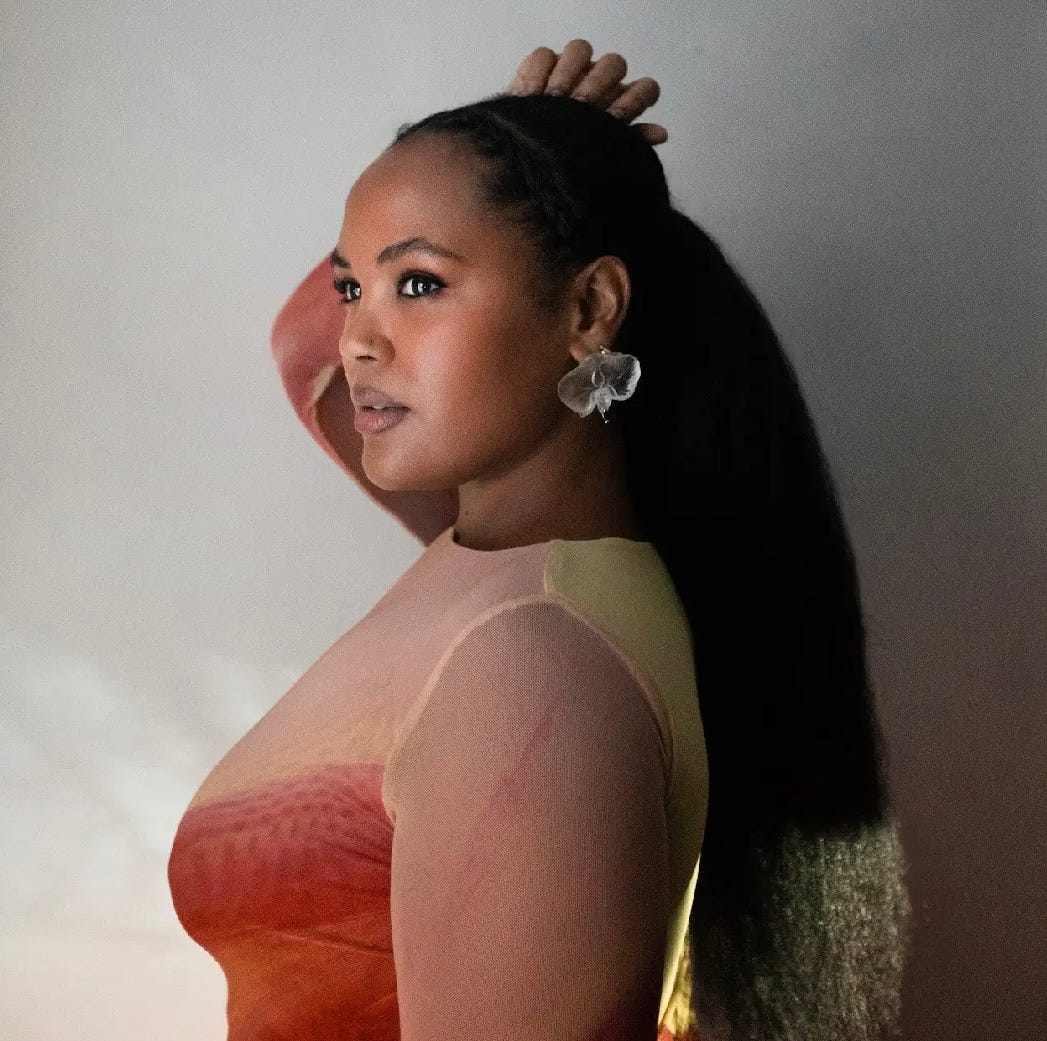
A GoFundMe launched to help Caribbean islands in the aftermath of the “catastrophic” Hurricane Melissa has reached over £20,000 in donations in 24 hours.
The Caribbean Fund set up by a collective of founders of Jamaican heritage based in the UK say it is their “duty” to aid in the recovery of countries hit by the powerful storm.
The hurricane which made its way through Haiti and the Dominican Republic leaving four people dead, saw another three people killed as adverse weather conditions swept Jamaica prior to making landfall.
Although Hurricane Melissa hit the island as a Category 5 storm, it was downgraded to a Category 4 as it moved inland and is now a Category 3 hurricane as it moves towards Cuba.
While making its path through Jamaica, the storm remained dangerous as strong winds caused damage to homes and property as well as tearing off a hospital roof in Savanna La Mar.
In the wake of its crossing, Jamaican Prime Minister Andrew Holness has now declared the island a “disaster area” and organisers of the GoFundMe who have family in the Caribbean say its “non-negotiable” to help.
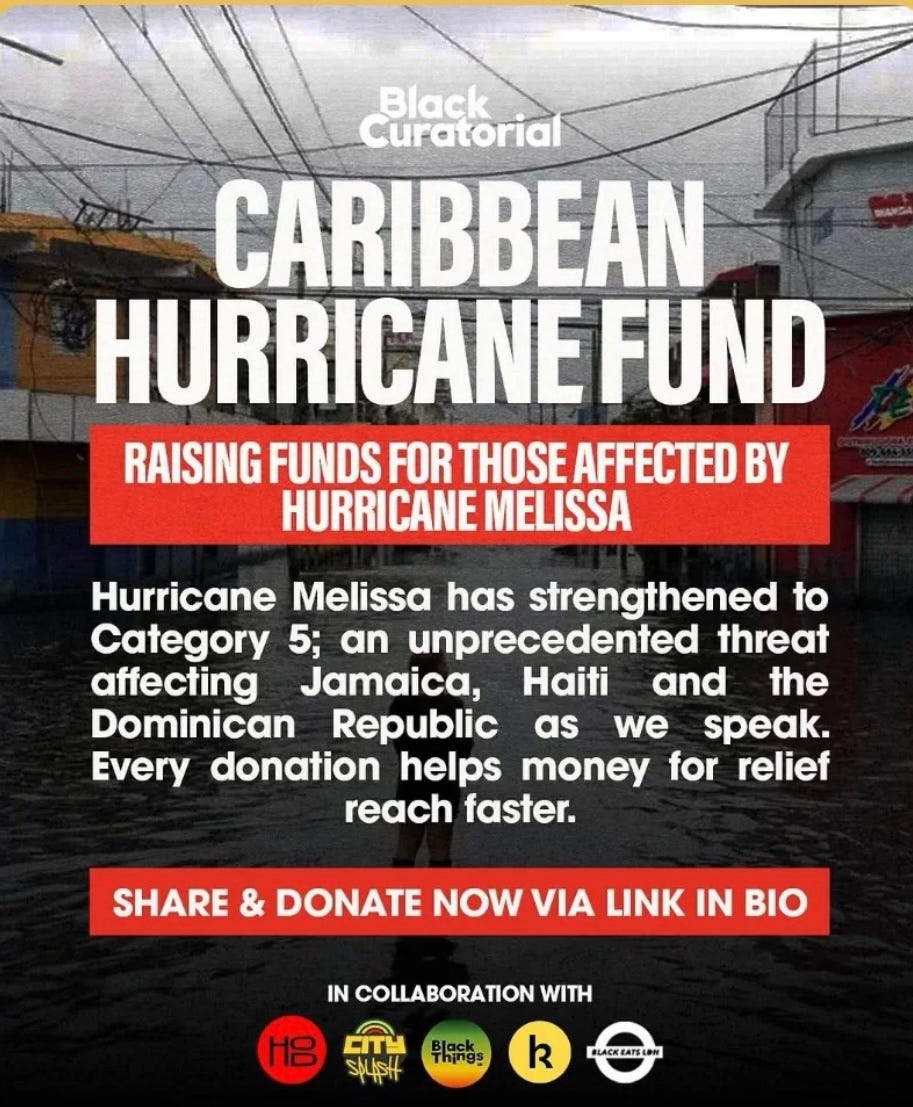
Speaking to The Source when the hurricane made landfall yesterday, founder of artistic agency Black Curatorial and organiser of the Caribbean Fund Aliyah Hasinah said: “I have family in Westmoreland which is being directly hit at this moment. I’ve been in touch with multiple family members who are across different spaces.
“There’s no one who isn’t scared. There’s no one who’s not going to be scared when the roof of a hospital in Savanna La Mar just got ripped off, or all the people whose homes are being destroyed by palm shoots dropping, or the fact that our alligators have been displaced in Jamaica now and could just be anywhere in the floodwaters.
“Jamaican people are scared, but they’re hopeful. That’s all we have.”
Since the hurricane landed, Aliyah says she has not been able to get in contact with her relatives.
When Hurricane Beryl hit in June 2024, the organiser found herself caught up in the storm while making a documentary about climate change in Barbados.
As part of a different collective, she set up a GoFundMe to help with recovery which raised over £21,000.
The founder says the new group chose to use the same Hurricane Beryl GoFundMe page to galvanise support for Hurricane Melissa through its existing mailing list.
Now, the fund has reached just over £50,000, a total which she says includes the £21,000 that was already raised and used towards Hurricane Beryl recovery initiatives.
Aliyah said: “For Hurricane Beryl, we spent £5,018.34 on agricultural regeneration at a farm [Solidarity Yard] in Jamaica. They also do is in-person workshops like farming practises and how to conserve water.
“They’re doing lots of long term sustainability planning so, we supported them to continue what they were doing. They’ve showed me it in person when we were there, but they had a whole side where their wormery was destroyed that they were building back when we visited.
“£12,000 pounds was donated to Exodus Collective to build homes and apprenticeships in North Grenada.
“We had £3976.59 pounds that was sent to an environmental organisation in Union Island to support their team to rehabilitate multiple farmers and people who have been affected.”
In a six month update following the launch of the fundraiser for Hurricane Beryl, Exodus Collective collaborated on an Instagram post with the Black Curatorial which stated that they had been supported the apprenticeships program to “learn carpentry and hurricane resilient design skills.”
The rest of the funds raised paid for GoFundMe transaction fees the founder said.
Speaking to The Source, founder of the Exodus Collective Zoe Smith said: “I think one of the things that folks don’t realise is that despite these islands being in or adjacent to hurricane zones, the efficiency of disaster relief actually getting to the affected areas sometimes isn’t as efficient as it could be.
“I can understand why people want to support the government because it’s probably easier to track to certain degree, but there can be a complimentary role for nonprofit organisations or different sorts of funders to disperse those funds.”


Writing on the GoFundMe page for Hurricane Melissa, organisers listed the names of members of the collective supporting the Caribbean Fund who are founders of Black-owned businesses and events including City Splash, Black Eats, Black Things UK, Kwanda, House of Dread and Notting Hill Carnival.
The Caribbean Fund which is not affiliated with the Jamaican government who have launched their own donation site, aims to give a more “localised” and “responsive” approach which will see funds distributed in Haiti, the Dominican Republic and Jamaica, the organiser says.
As stated on the fundraising page, Aliyah reiterated that those who donate will be updated on where the funds are sent and that they also aim to “crowdsource” where donations can go.
Aliyah said: “The reason we’ve set this up is to ensure that we can listen to people who might not get listened to. Those who get ignored by larger organisations -we can send them the money.
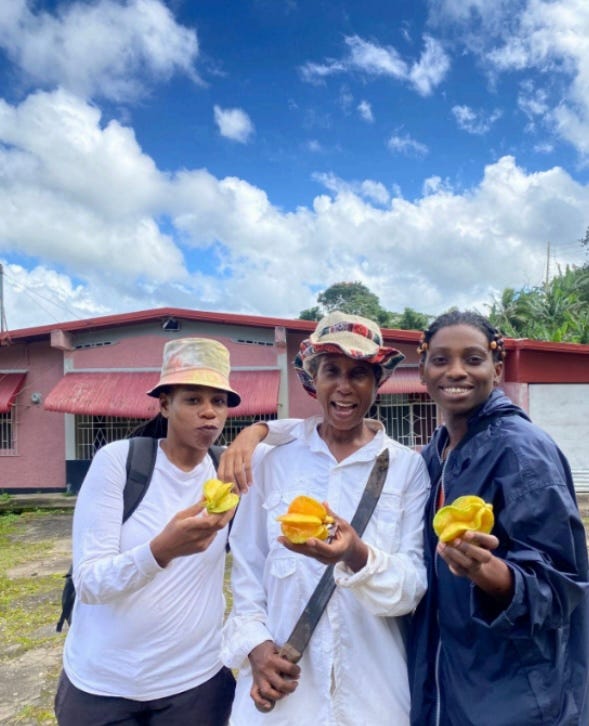
“Our fund works through listening and connecting instead of just being like, ‘we’re going to give it to this charity because they’re a charity.’
“Our team are also mobilising people who are on the ground to make sure that we really can verify what’s happening and what the issues are. We have meetings with people.
“We’re talking to people about the damage and where the money goes and it’s more important to be responsive than reactive.
“We may give it to a man who’s lost his home, who isn’t seen as a charity. There are more diverse ways of us being able to share money and have more impact than it just going to the channels that people usually go to anyway.
“All of us have come in and said, ‘what can we do instead of sitting here and just watching videos?’
“And we’re aware a lot of people might not choose to set up funds because the responsibility and the amount of work that it takes, but that’s a non-negotiable for us. Because we’re working with people in Jamaica and Jamaican artists all the time so, it isn’t far away from us. This is our home.”
But ultimately, Aliyah says that the cause of the storm is a result of “overconsumption in the Global North” and that reparations would help tackle combat the consequences.
The founder said: “Because of the rising temperature of the sea, the hurricane, which was at a Category 3, once it got hotter it actually sped up to Category 5.
“Having studied the climate crisis and the origin of it and its relationship to colonialism for the last couple of years, it’s very clear to see that our continual overconsumption in the Global North has led to this.
“I think there are a lot of people who don’t understand why the Caribbean is asking for reparations, and it’s because we’ve been left to pick up after the hurricanes and the adverse weather conditions.
“This hurricane is going to cost Jamaica billions. So, the amount of impact that we’re able to do is relative to what is a drop in the ocean compared to what’s going to be needed.
“People can donate to multiple fundraisers and we urge people with experience in sending money to Jamaica to do that as well.
“It’s going to cost billions. This is rebuilding an island.”
For more information about the GoFundMe, click here.
This story has been updated to include quotes from Exodus Collective founder Zoe Smith.